
Traditional cobblestone driveways in Bristol, period detail done properly.
Granite setts, sandstone cobbles and reclaimed Pennant kerb-stones laid by hand. The most period-appropriate driveway you can lay on a Bath stone or Pennant front, and an investment that compounds with age.
- 5-Year GuaranteeOn every installation
- Marshalls ApprovedAccredited Bristol installer
- Fully InsuredPublic liability cover
- Free Site SurveyAcross Bristol & surrounds
About cobblestone
The driveway finish that looks better at 50 than at 5.
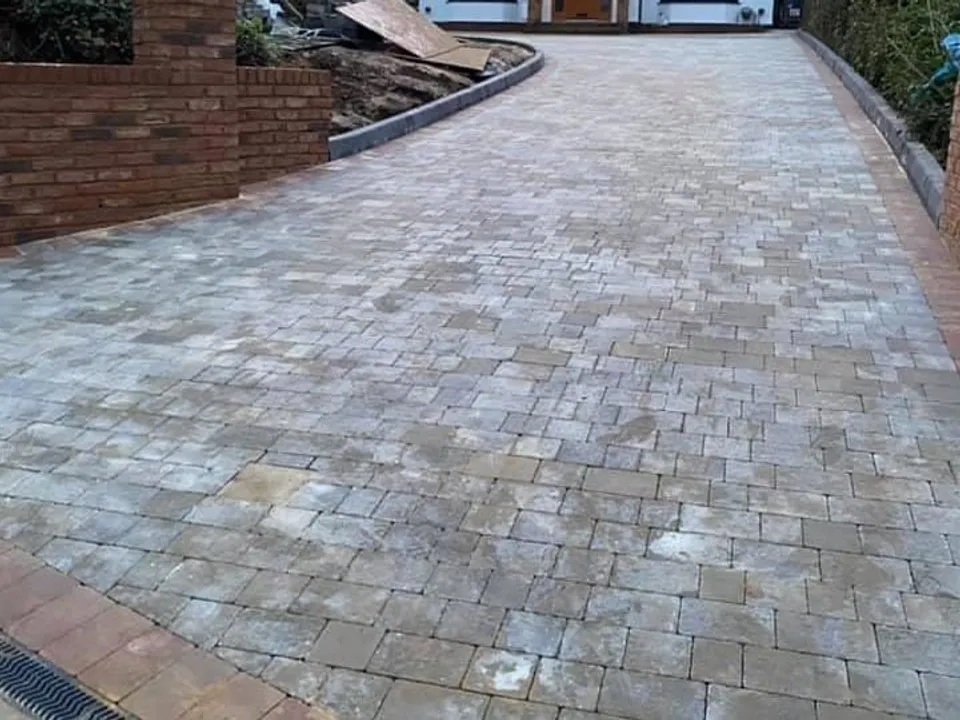
Cobblestone is individual setts of granite, sandstone or basalt, hand-laid on a mortared bed and jointed with sand-cement or polymeric jointing compound. Slower to lay than block paving, but absolutely the right call on listed properties, Georgian fronts and rural driveways where character matters.
We source new granite setts from specialist suppliers and reclaimed Pennant kerb-stones from local Bristol reclaim yards. Patterns range from straight bond to fan, herringbone and Roman cobble layouts. Every cobble driveway is laid by our own bricklayers, never franchised installers.
- Reclaimed and new setts
- Hand-laid by our own bricklayers
- Suits listed properties
Period-appropriate
The only driveway finish that genuinely belongs on a listed front or Georgian townhouse.
Improves with age
Cobbles weather beautifully. They look better at 50 years old than at five.
Lift-and-relay-able
Individual setts can be lifted for a service trench and re-laid invisibly. Repairable forever.
Reclaimed options
Reclaimed Pennant setts from Bristol reclaim yards, period-correct and sustainable.
Cobble types
Cobblestone options we install in Bristol.
From traditional reclaimed Pennant to new-quarried granite, we'll source the right material for the property.
How we install it
Our 4-stage cobblestone installation process.
Slow, deliberate, hand-laid work. Cobbles reward patience and proper jointing.
Survey & sett selection
Free Bristol visit. We discuss reclaimed vs new, source samples and put a fixed price in writing.
Excavation & base
Existing surface lifted, Type 1 MOT compacted in lifts to engineering depth, edges set out.
Mortar bed & laying
Mortar bed laid, cobbles hand-set to pattern, edges cut and shaped, then tamped to level.
Jointing & sealing
Joints filled with sand-cement or polymeric compound, surface cleaned, optional sealer applied.
FAQ
Common questions
Can I use reclaimed cobbles?
Yes, and we'd often recommend it on a Bristol period property. Reclaimed Pennant kerb-stones from local reclaim yards are the most period-appropriate option, and have the patina that new setts take decades to develop. Lead times on reclaimed stock can be longer; we'll always tell you up front.
Is cobblestone slippery in the wet?
Slightly more so than block paving, because the surface texture is sharper. We always recommend sand-cement jointing rather than smoother polymeric compounds on driveways and slopes, and the riven surface of natural stone gives good underfoot grip.
How long does it take to lay?
Considerably longer than block paving. A 40m² cobble driveway typically takes 10 to 14 working days, because the hand-laying and jointing are slower processes. Worth the wait for the finish.
Will the joints crack over time?
Mortared joints can hairline-crack with thermal movement. Polymeric jointing compound stays flexible and self-heals minor cracks. We use polymeric on every driveway as standard.
Can I drive a heavy car on cobbles?
Yes. Properly laid on a mortared bed over a compacted sub-base, cobbles handle daily car traffic comfortably. The same sett construction is used on commercial forecourts and historic streets where commercial vehicles pass over them daily.
Get a free cobblestone quote in Bristol.
Arrange a free site survey to discuss the finish, preparation, drainage and access. Review the written scope and terms before agreeing to the work.