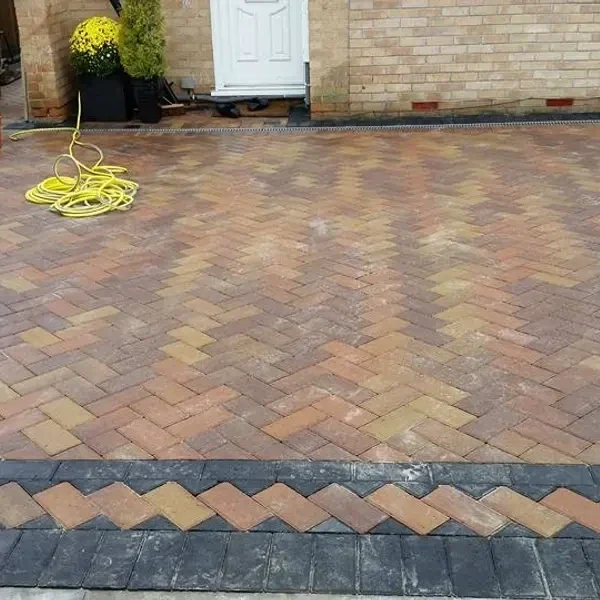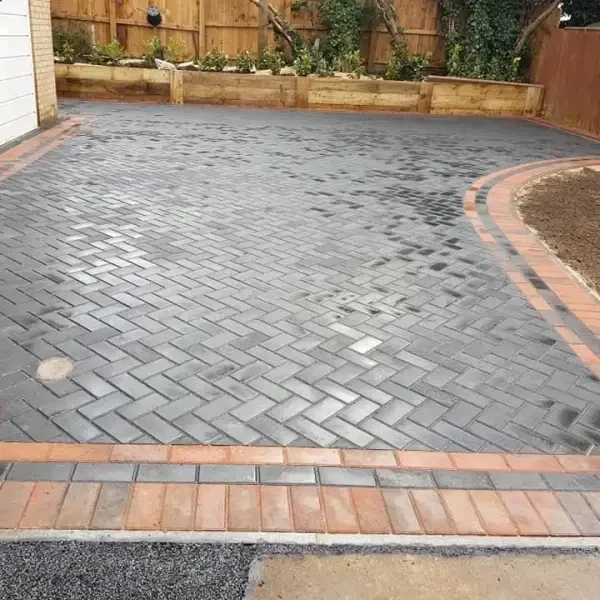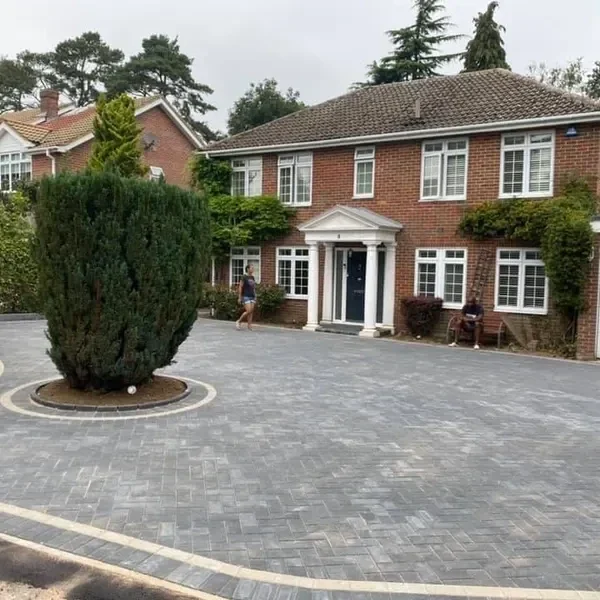
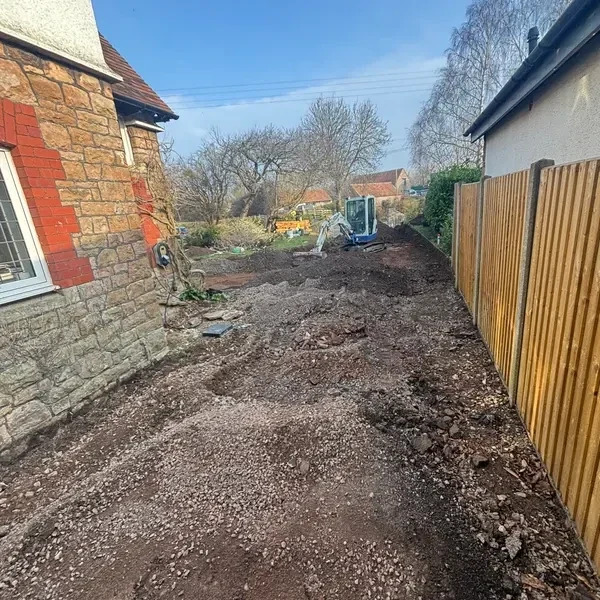
A recurring puddle can result from a local low point, blocked collection feature, restricted water route or another construction issue. Replacing the visible surface without understanding the pattern may leave the problem unresolved. Start by observing what happens during ordinary rainfall from a safe place.
Record when and where water appears
Photograph the same area during rain and after it stops. Note how long water remains and whether it follows a wheel track, cover, boundary or doorway. The shape of the wet area can help explain where the water is arriving and where it is being held.
Include nearby roofs and paths in the overview. Water on the driveway may originate outside the area you intend to replace. A downpipe or higher garden bed can create a concentrated flow that the surface alone does not explain.
Check accessible maintenance points
Clear loose leaves from visible grilles where it is safe and appropriate. Do not enter drains, open unfamiliar utility assets or remove covers unsafely. If a feature repeatedly backs up after simple maintenance, arrange an investigation.
On permeable paving, persistent ponding needs assessment of the system and conditions, not an automatic addition of more sand or a new coating. On conventional paving, inspect levels and the planned surface-water route.
Match the response to the cause
A local depression may need a targeted repair; an unsuitable drainage arrangement may require a broader design. An apparently small puddle near a threshold can matter more than a larger one in a less vulnerable location. Prioritise the route of water and any associated damage.
Keep records of previous changes, cleaning and repairs. They can help distinguish a recent blockage from a longstanding layout issue.
Bring to the inspection: Dated photographs, rainfall observations, known drain positions and a description of any recent movement. That information supports a more useful diagnosis than simply asking for a puddle to be filled in.
Discuss your project
Have a drainage or groundworks question before resurfacing? Ask Smart Paving to assess the site and explain what needs further investigation. Arrange a site visit.
Explore our drainage and groundworks service.
Related reading
- Driveway channel drains: the outlet matters as much as the grille
- Repair or replace a driveway? Compare the type of failure first
- Checking surface-water flood risk before changing a driveway