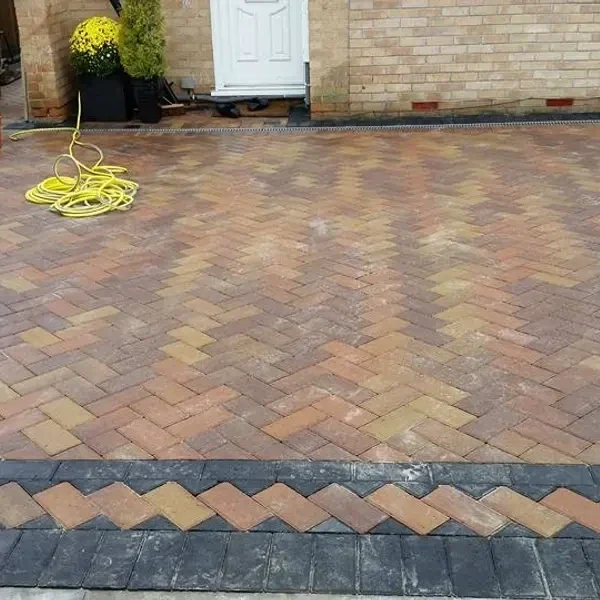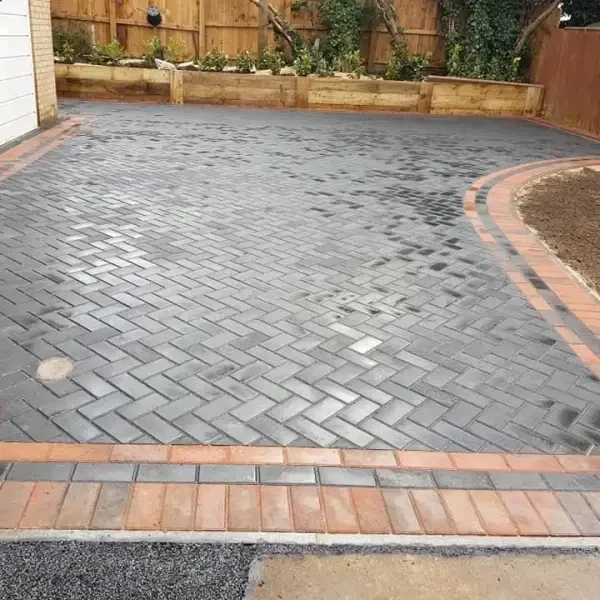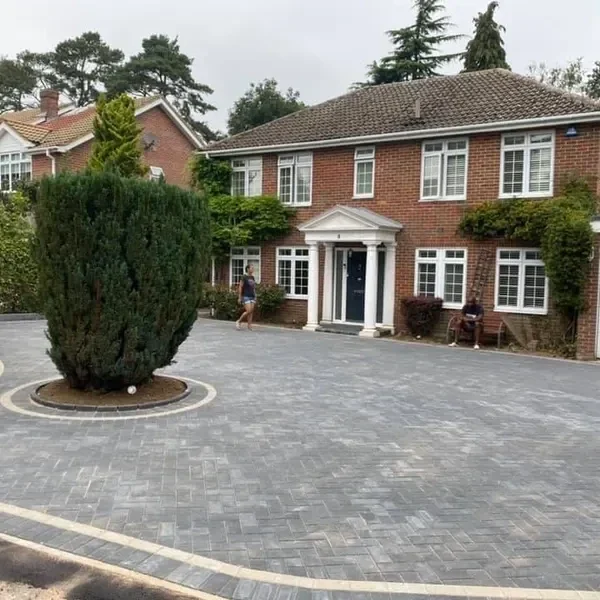
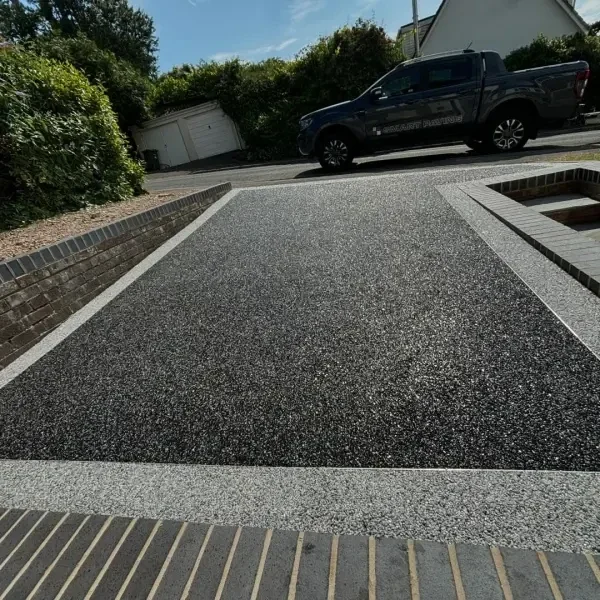
A channel drain collects water along a line, often near a garage or driveway entrance. Its visible grille can look like a complete solution, but the collected water still needs somewhere suitable to go. Choosing the channel should follow the drainage design rather than replace it.
Establish what it needs to collect
The driveway's slope, area and incoming runoff influence the requirement. A channel at the public boundary may serve a different purpose from one protecting a doorway. Identify the intended flow before choosing a position from appearance alone.
Check loading suitability where vehicles cross it. The grate, body and supporting construction need to suit that use. A product appropriate for a garden path is not automatically appropriate for a frequently used vehicle entrance.
Trace the destination
Ask where the channel discharges and whether that connection is suitable and authorised. An old pipe should not be assumed to be an available surface-water outlet merely because it is nearby. Its condition and destination may need verification.
A soakaway or planted area also needs assessment; neither is an unlimited receptacle for runoff. The drainage route should make sense for the property's ground, levels and surrounding features.
Make cleaning possible
Leaves and sediment can collect in channels. Choose a detail with accessible cleaning points and know how to remove and replace the grates safely. Do not permanently trap a channel beneath a decorative edge or gate installation.
At handover, identify the outlet and keep photographs of the route before it is covered. If water later backs up, that information makes investigation more useful than guessing from the position of the grille.
Three questions: What area drains into it? Where does the water go afterwards? How will it be inspected and cleaned? A channel that answers all three is a more complete proposal than an attractive line across the driveway.
Discuss your project
Have a drainage or groundworks question before resurfacing? Ask Smart Paving to assess the site and explain what needs further investigation. Arrange a site visit.
Explore our drainage and groundworks service.
Related reading
- Puddles on a driveway: a simple observation checklist before repair
- Why a resin bound surface can still need drainage channels
- Imprinted concrete around drains and inspection covers: planning access first