
Buyer's Advice
101 posts in this category.
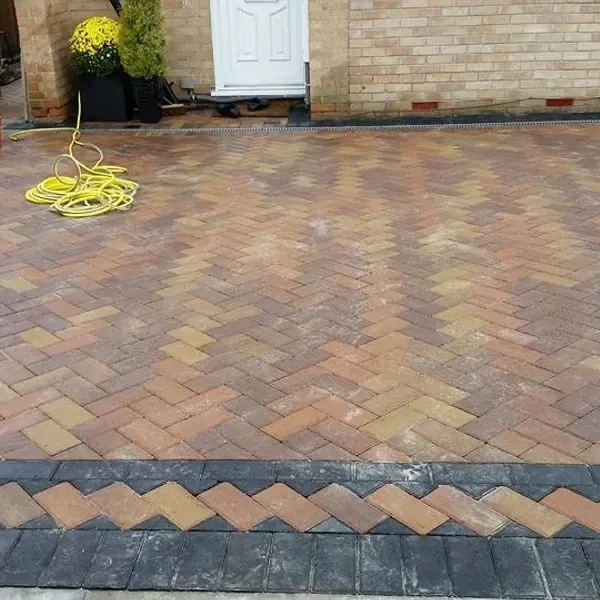
Marshalls Tegula, Tobermore Sienna and Brett Alpha Flow: compare the right details
A block range name tells you more than a general request for grey or traditional paving, but it is still only the starting point.
Read more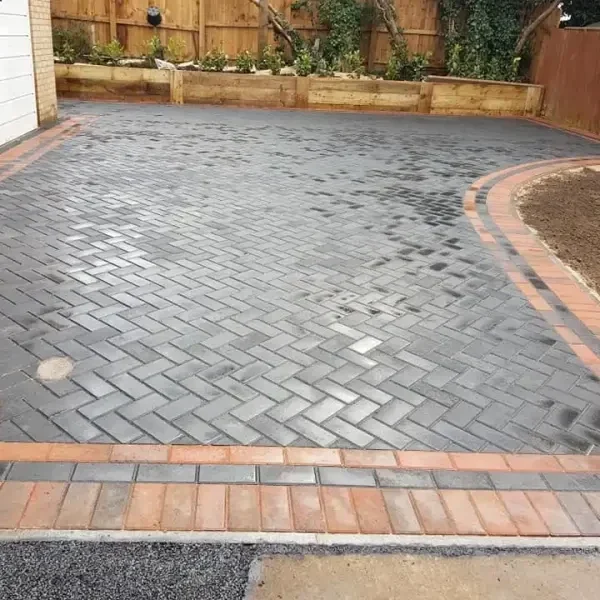
Matching old and new block paving when you extend a driveway
Extending a driveway creates a visual challenge even when the original paving remains sound.
Read more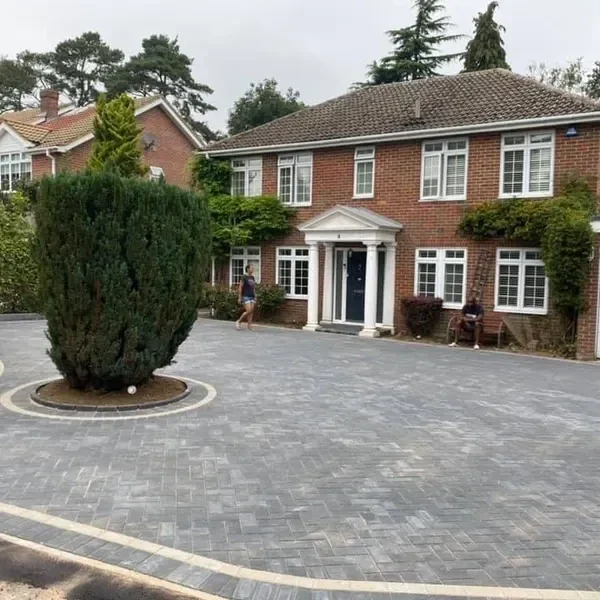
A block paving circle feature: when it suits the driveway and when to simplify
A circle can provide a focal point in a broad driveway or around a planted bed.
Read more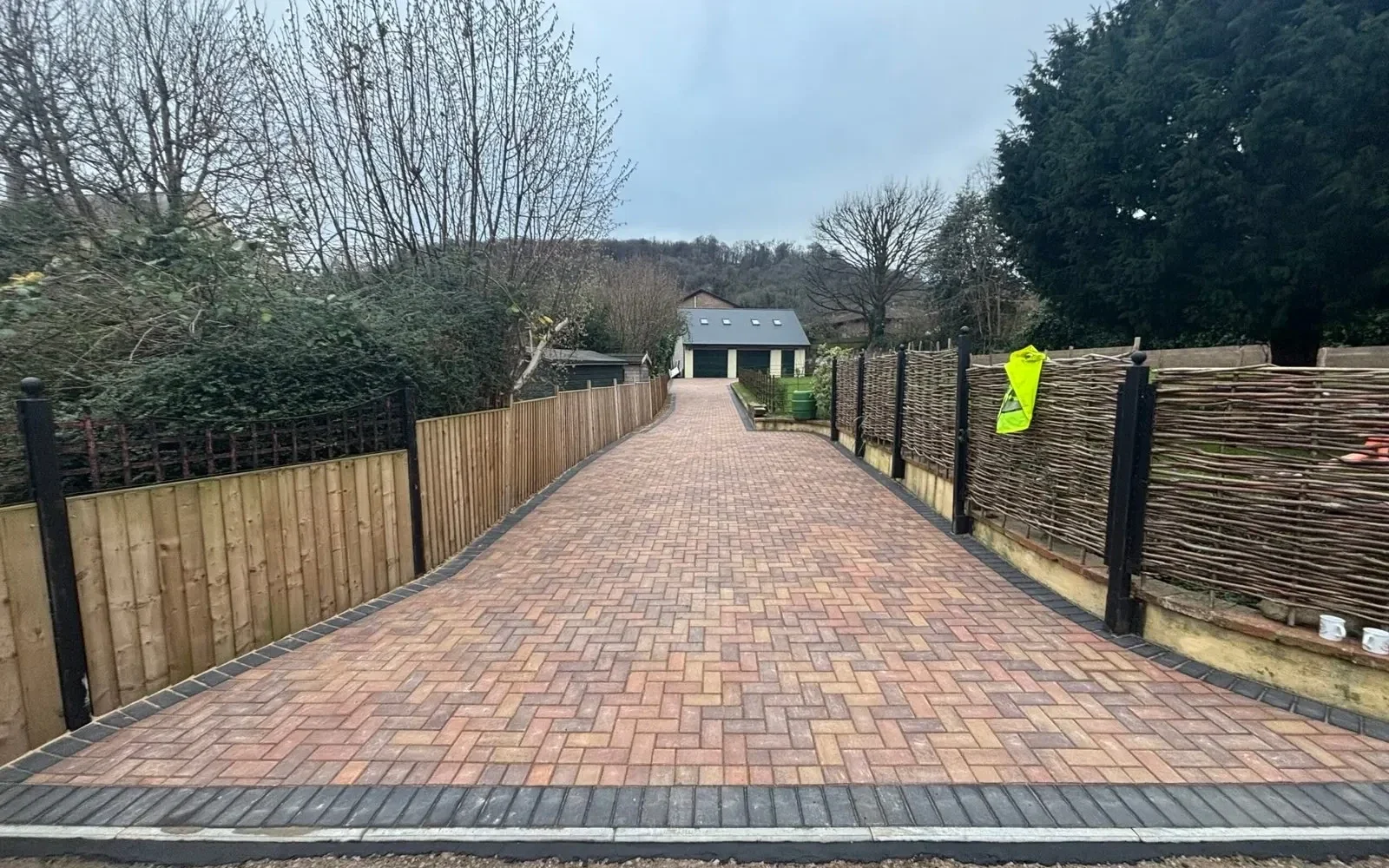
Mixed-size block paving: getting an informal pattern that still looks tidy
Mixed-size paving can create a relaxed appearance without using irregular natural stone.
Read more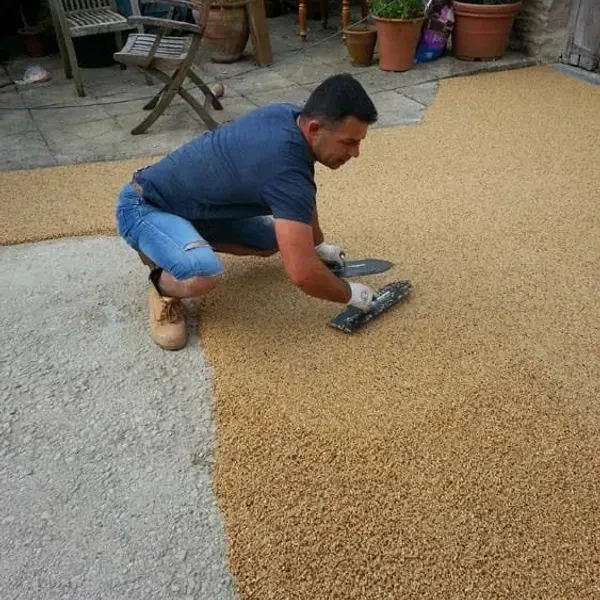
Resin bound bands and contrasting borders: keeping the design restrained
A contrasting band can define a resin bound entrance, separate a walking route or frame a broad driveway.
Read more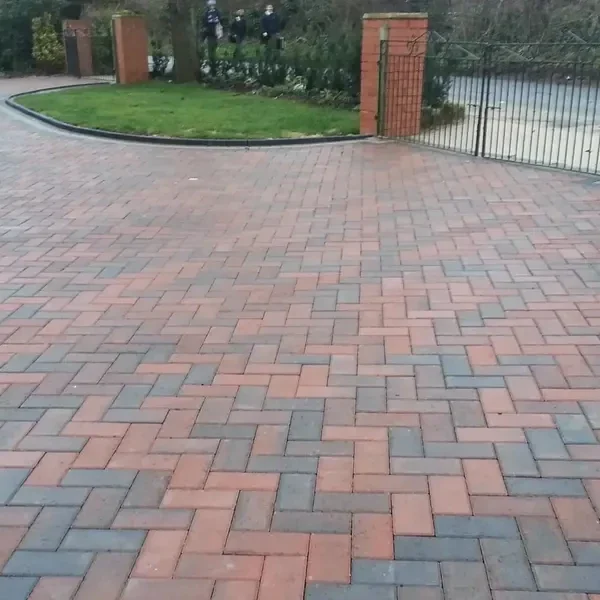
Choosing a block paving layout for a narrow driveway
A narrow driveway benefits from a calm layout and careful use of its width.
Read more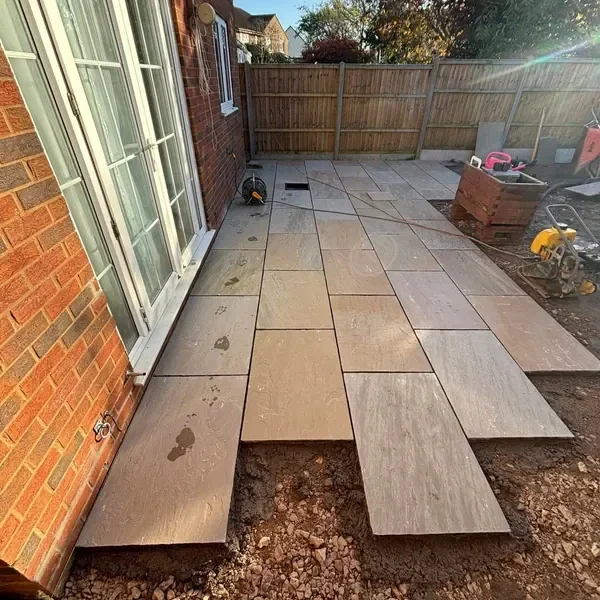
Extending a patio later: details to plan during the first installation
A patio does not have to be completed in every possible area at once.
Read more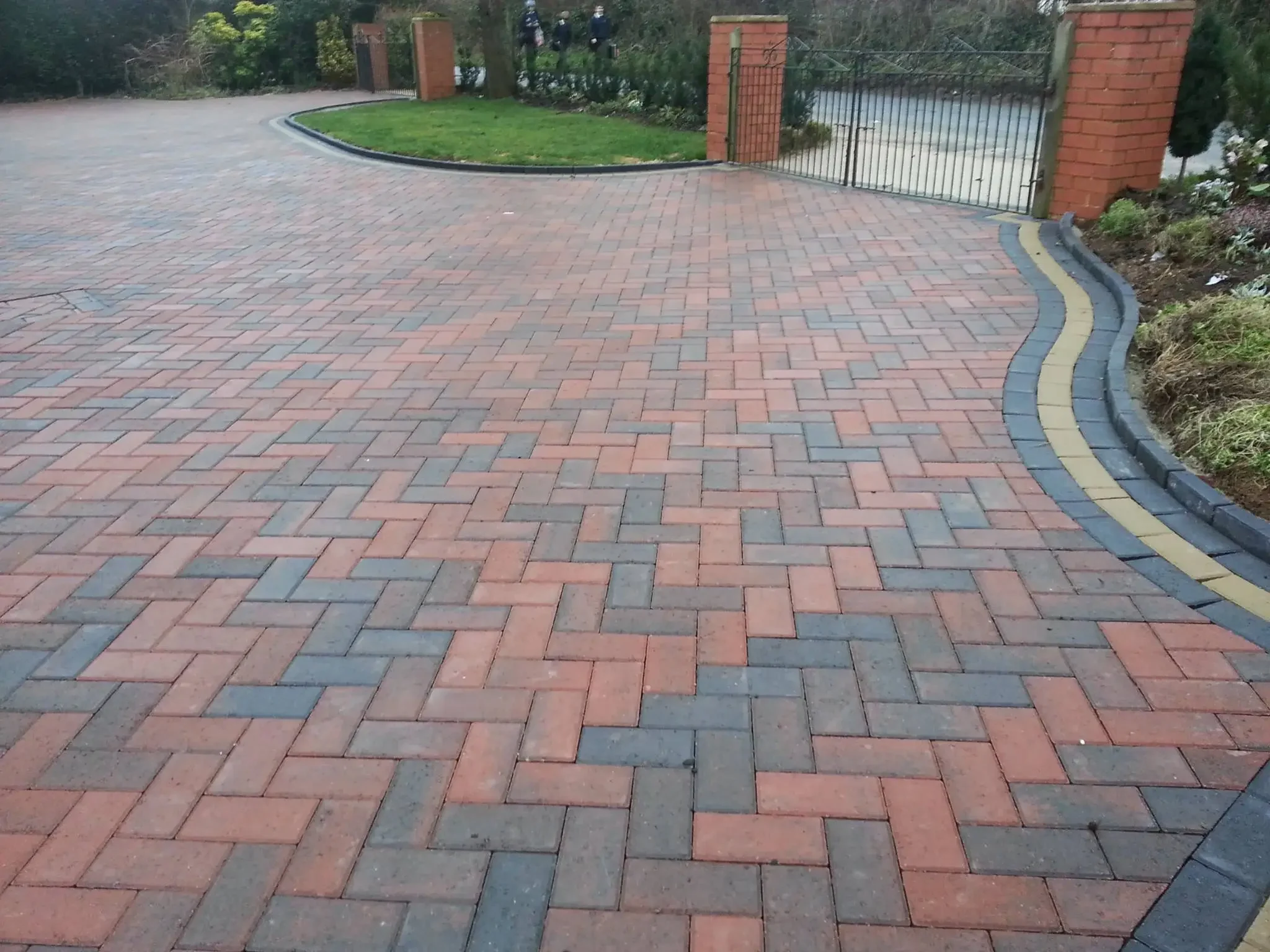
Block paving vs resin bound: which is right for a Bristol driveway?
Both finish a driveway beautifully, but they're built for different jobs. Here's how we help Bristol homeowners choose between them.
Read more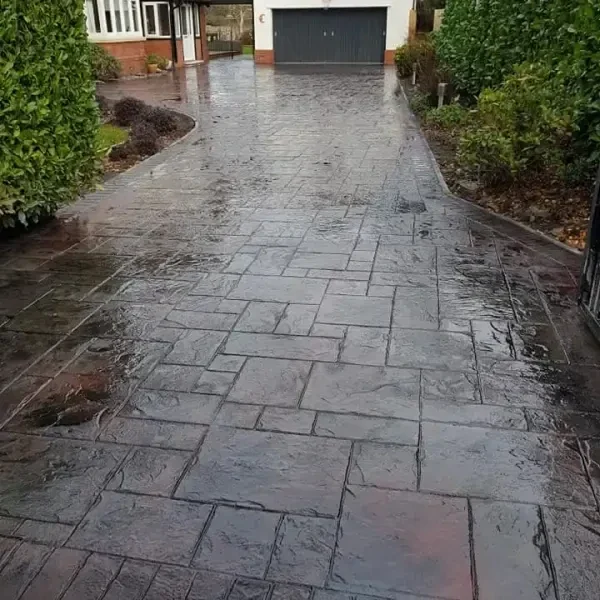
Choosing an imprinted concrete pattern for a long driveway
A long driveway exposes repeated pattern and colour over a large field.
Read more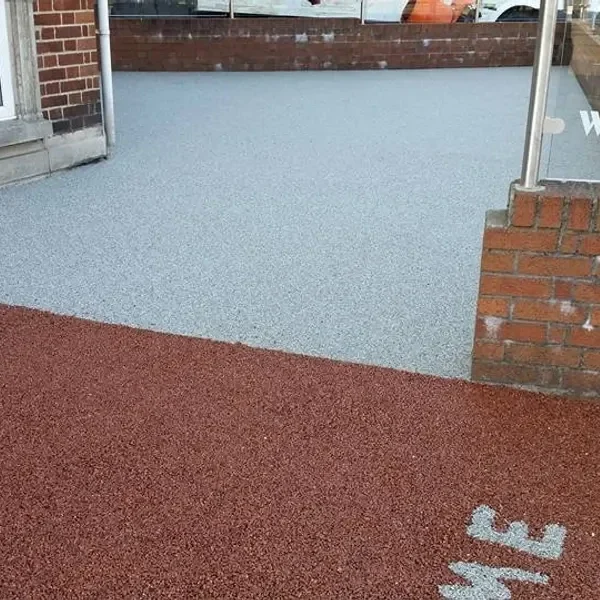
Why a resin bound surface can still need drainage channels
A resin bound wearing course may let water pass through, but that does not settle every drainage question.
Read more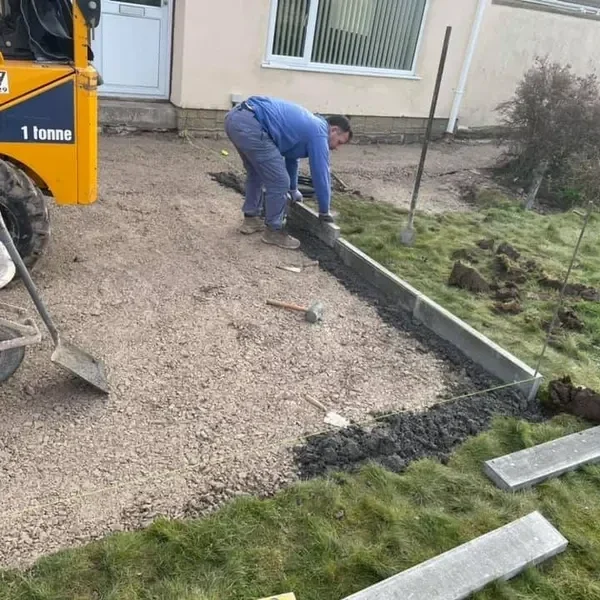
Why driveway edge restraints matter as much as the paving pattern
The outside edge of a block driveway holds the paved field in place.
Read more
Should your garden path match the patio exactly?
A garden path can relate to the patio without copying every material and pattern.
Read more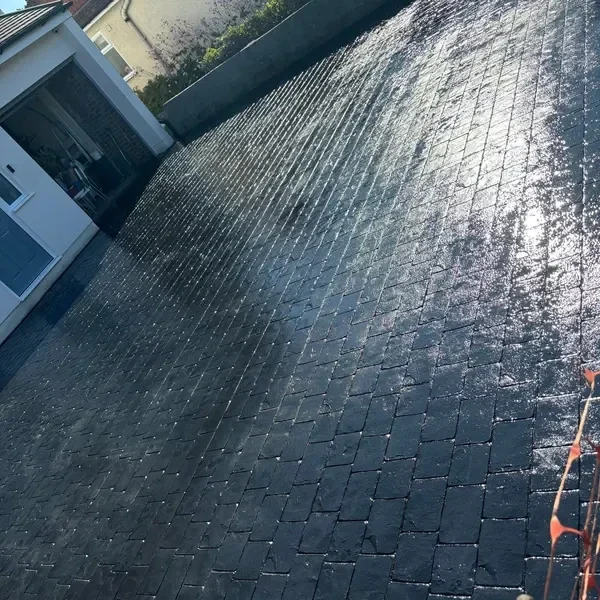
Imprinted concrete with a cobble effect versus individual paving blocks
A cobble-effect concrete driveway and a driveway made from individual blocks can look related from a distance.
Read more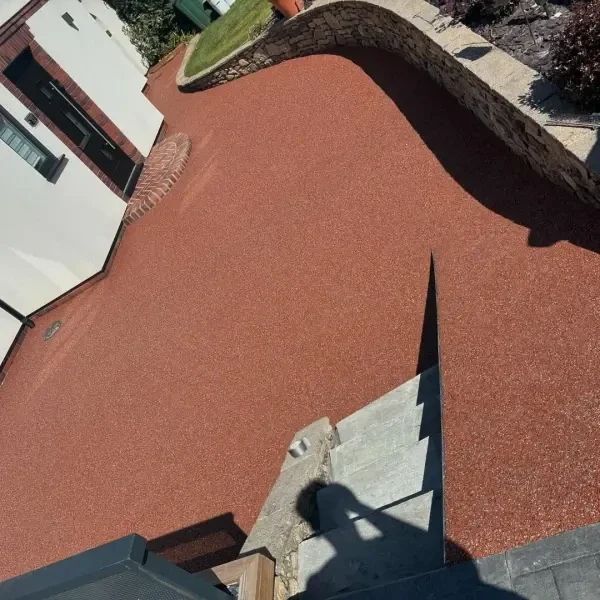
Does resin bound surfacing need a sealer or topcoat?
A resin bound driveway should not receive an extra coating simply because an unrelated paving product is described as suitable for driveways.
Read more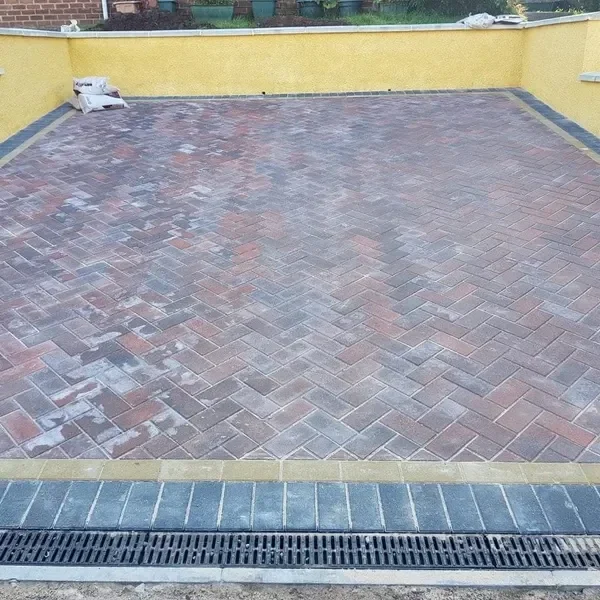
Pressure washing block paving without stripping the joints
A pressure washer can remove visible dirt quickly, but using the most aggressive setting can damage the block face and displace jointing material.
Read more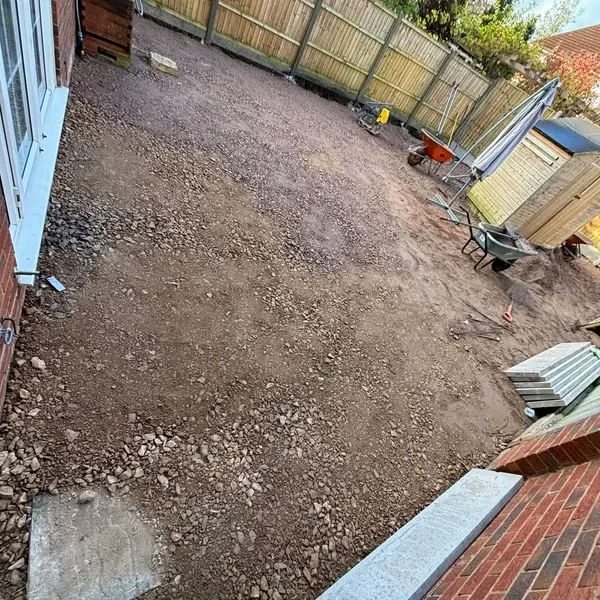
Why wet ground can change a driveway installation programme
A driveway programme can change when excavation reveals saturated or unsuitable ground.
Read more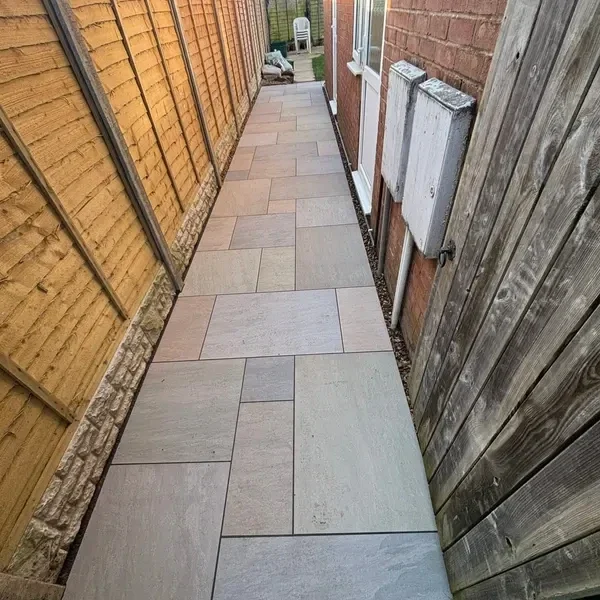
Paving a narrow side passage: bins, drainage and access first
A side passage is often the hardest-working paved route around a house.
Read more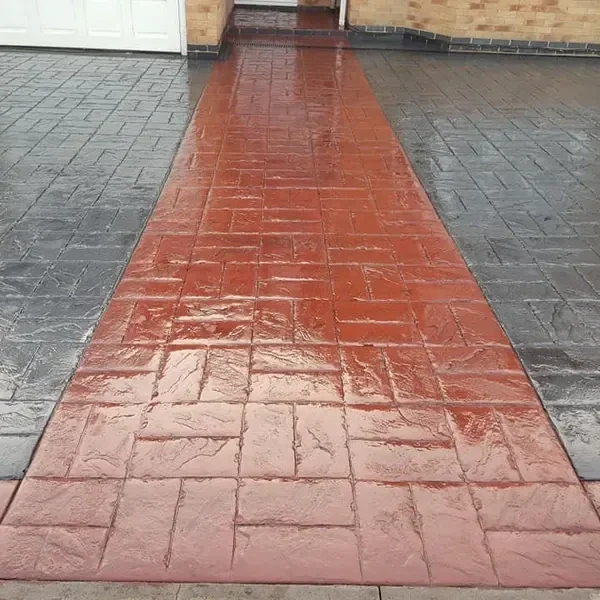
Can imprinted concrete suit a small Bristol front garden?
A small front garden needs to accommodate everyday access without becoming an over-detailed paved panel.
Read more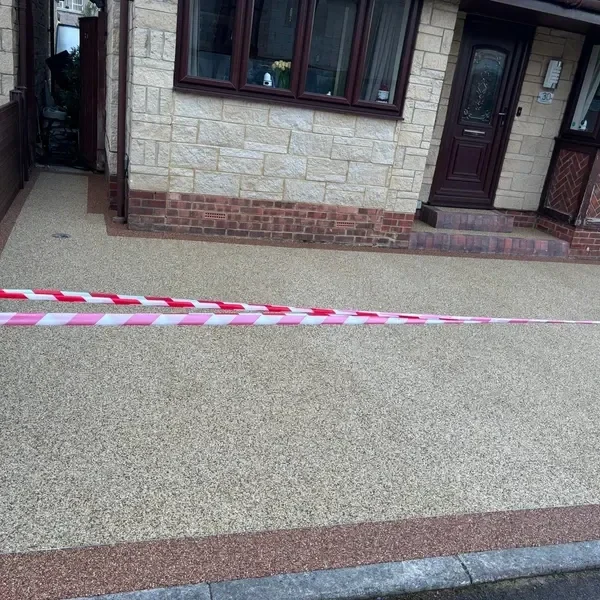
Can a damaged resin bound driveway be repaired locally?
A local resin bound repair may be possible, but it is important to distinguish practical repair from an invisible visual match.
Read more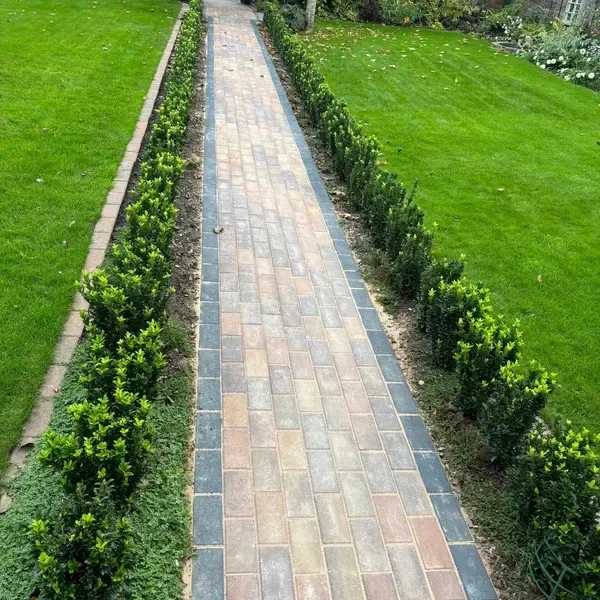
Where do weeds in block paving come from?
A weed appearing between driveway blocks does not automatically mean plants have grown through from the original ground.
Read more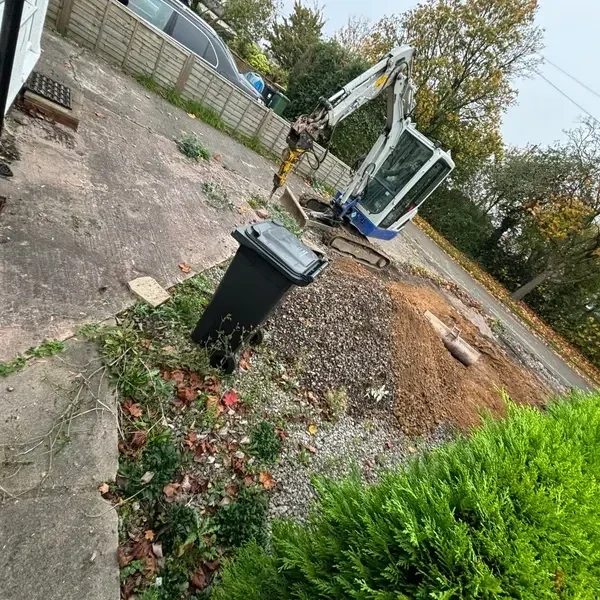
Preparing a driveway for winter without using the wrong treatment
Winter care starts with clear routes, suitable drainage and knowledge of the installed material.
Read more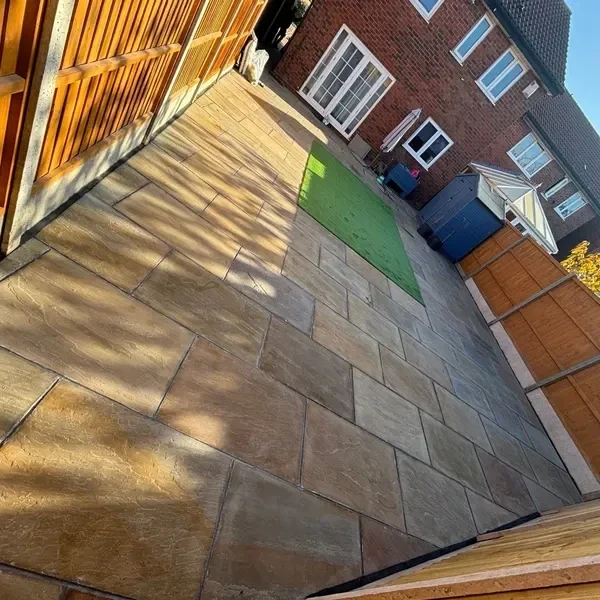
Cleaning sandstone patios: why the stone type matters
Sandstone needs cleaning advice appropriate to the actual stone and any treatment already applied.
Read more
Imprinted concrete around drains and inspection covers: planning access first
Drainage and inspection access should be part of an imprinted concrete design from the outset.
Read more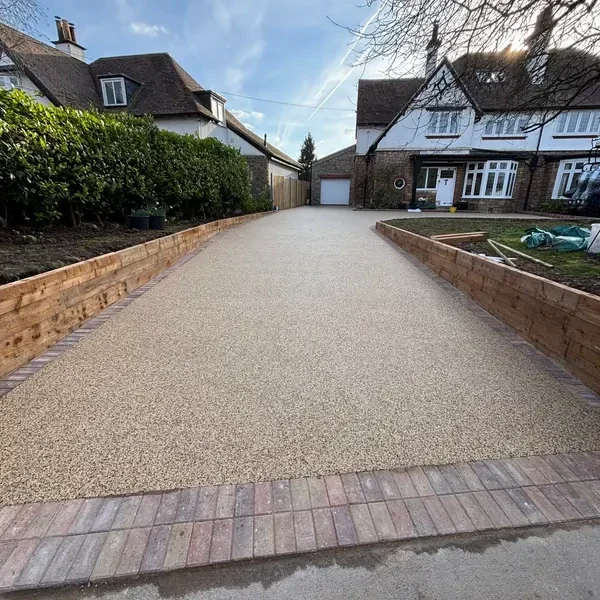
Tyre marks on resin bound surfacing: prevention and sensible cleaning
Tyres can leave dirt or visible marks on a resin bound driveway, particularly where a vehicle repeatedly turns in the same place.
Read more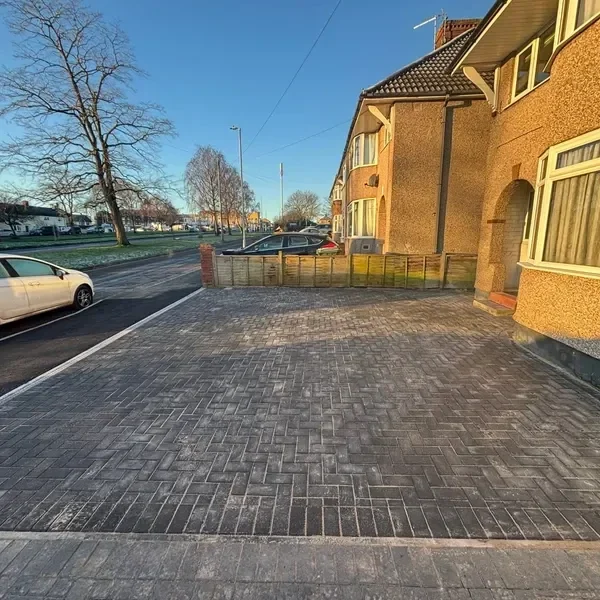
Does block paving need sealing? A practical homeowner's guide
Block paving does not automatically need a sealer to function.
Read more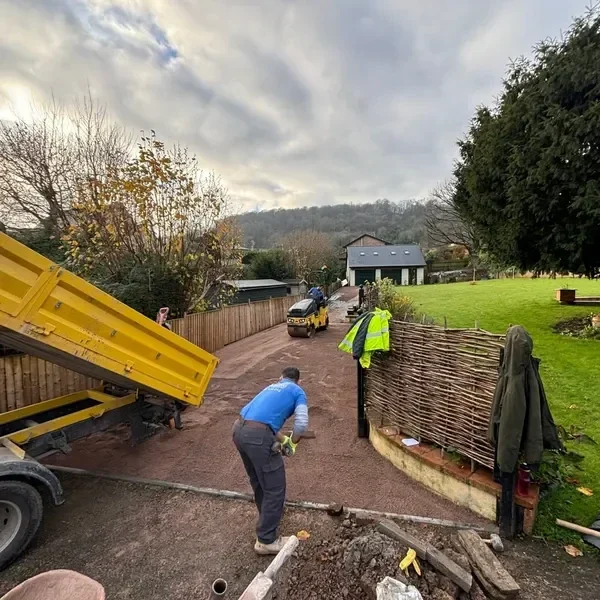
Checking surface-water flood risk before changing a driveway
Driveway drainage and wider flood risk are connected, but they are not the same assessment.
Read more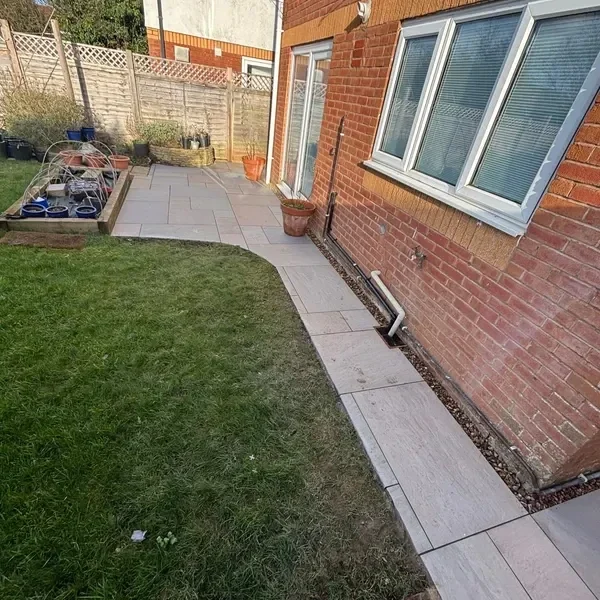
Choosing patio joint colour: matching, contrast and everyday marks
Joint colour can make the same paving look calm or strongly patterned.
Read more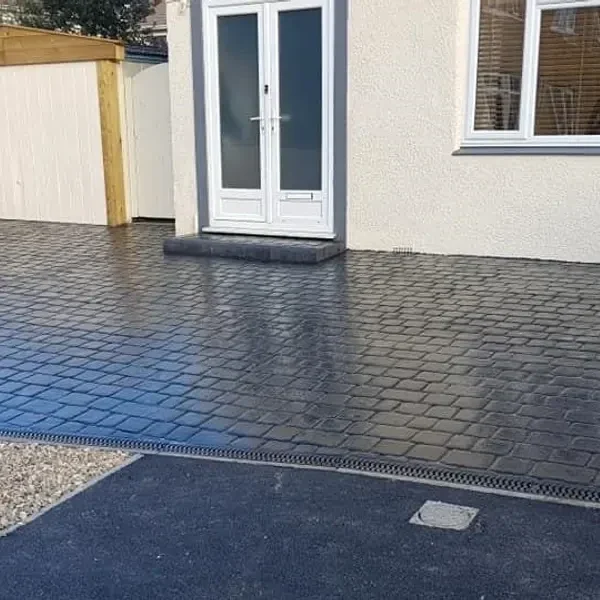
Five PICS grey colours to compare for an imprinted concrete driveway
“Grey imprinted concrete” is not a precise colour selection.
Read more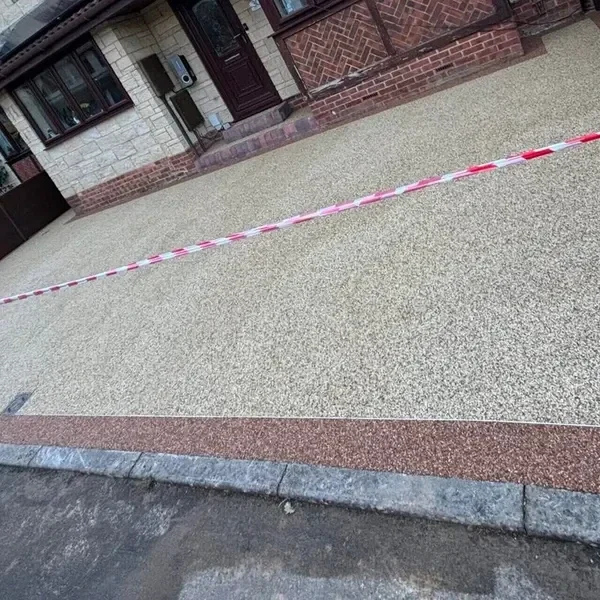
Resin bound driveways with pets: practical cleaning and access details
Pets influence how an outdoor surface is used, even if they are not the main reason for replacing it.
Read more
Can block paving be laid over an existing concrete driveway?
Sometimes an existing concrete base can be retained beneath block paving, but that does not make an overlay the default solution.
Read more
Repair or replace a driveway? Compare the type of failure first
An unattractive driveway does not always need complete replacement, and a fresh-looking patch does not always represent a lasting repair.
Read more
Why patio slabs rock, and why fresh pointing may not solve it
A patio slab that moves underfoot needs more than a cosmetic response.
Read more
Why imprinted concrete can look patchy after sealing
A patchy appearance after sealing can have several explanations, including differences in moisture, preparation, application or the condition of an…
Read more
Resin bound paths for pushchairs and wheeled access: what to check
A continuous resin bound path can offer a different experience from loose gravel, but the finish alone does not determine whether a route is easy to…
Read more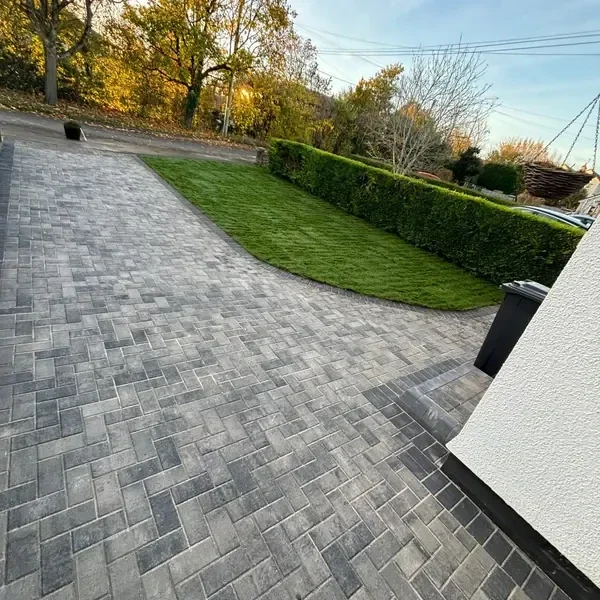
Curved block paving driveways: keeping the pattern neat at the edges
A curved driveway can make a frontage feel softer, particularly beside a lawn or planted bed.
Read more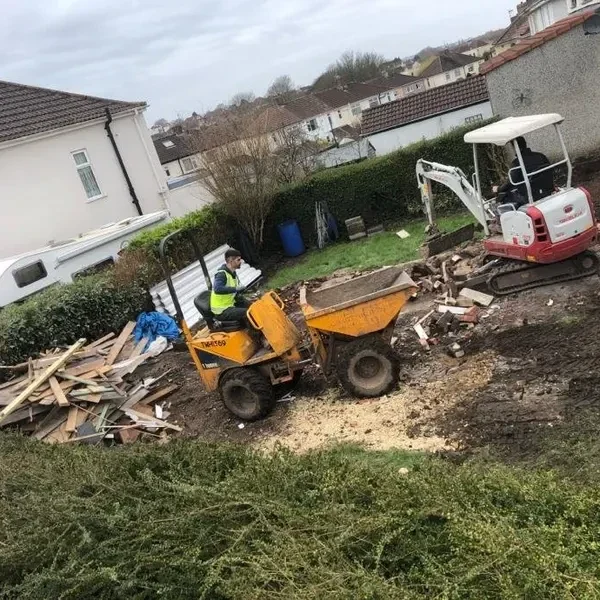
New paving beside the house: do not overlook air bricks and damp protection
New paving changes the ground relationship around a building.
Read more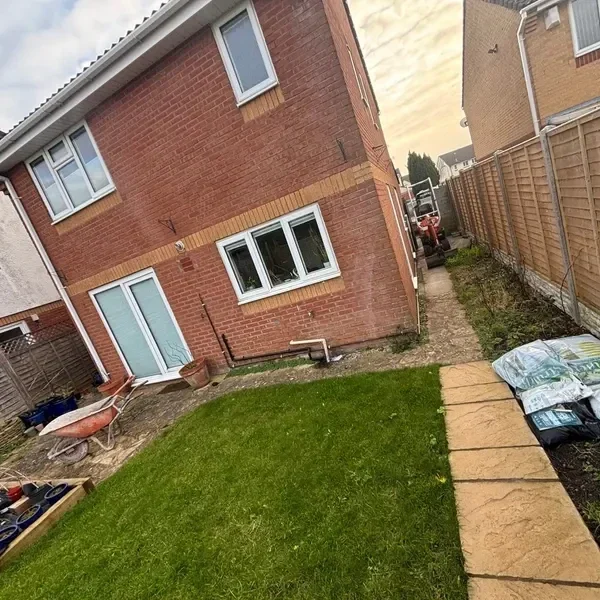
A patio and lawn that meet neatly: choosing the edge detail
The junction between paving and lawn affects appearance, mowing and drainage.
Read more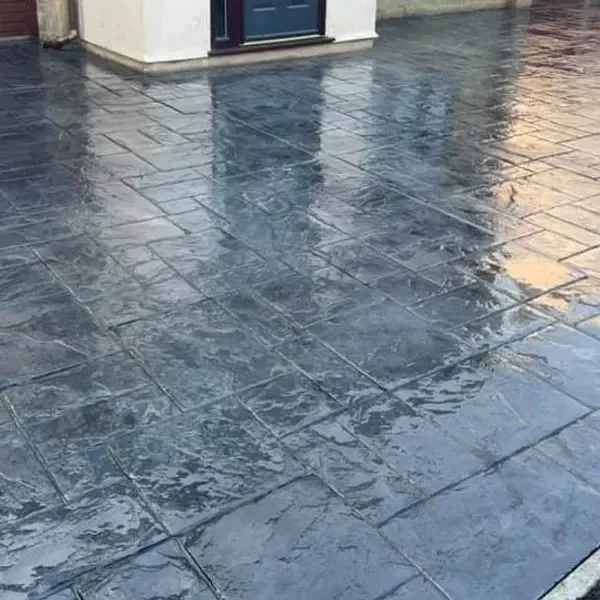
Cleaning imprinted concrete without harming its sealer
Cleaning imprinted concrete involves both the concrete finish and its existing sealer.
Read more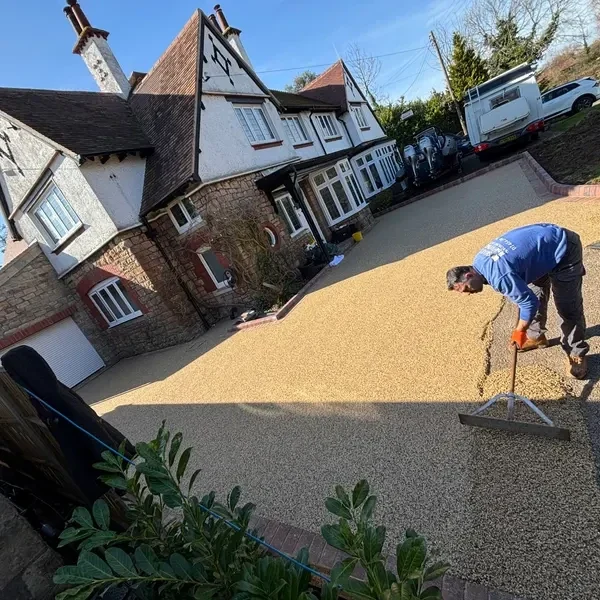
Why weather can change the day a resin bound driveway is laid
A resin bound installation needs conditions suitable for its particular product system.
Read more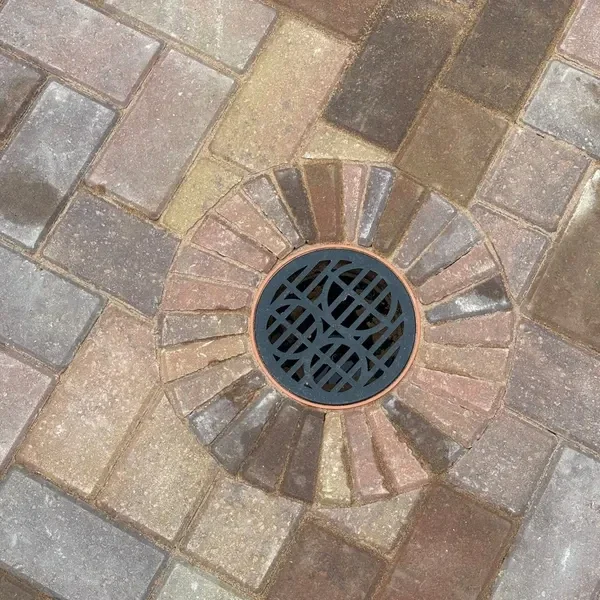
Block paving around inspection covers: a small detail worth planning
An inspection cover often sits exactly where a driveway pattern would otherwise look its neatest.
Read more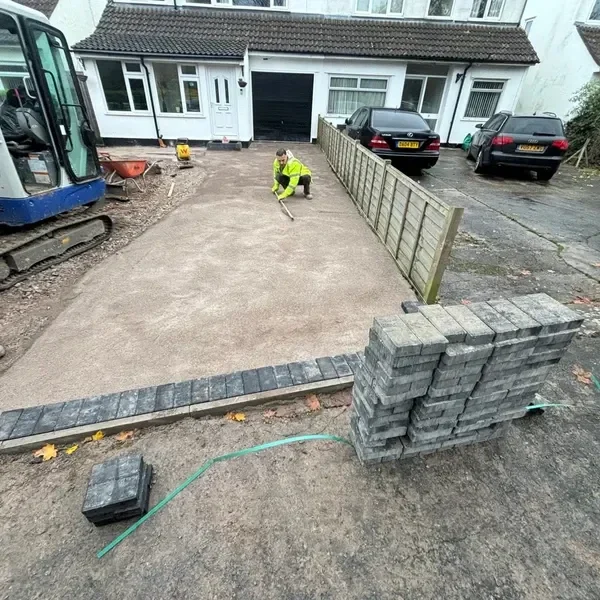
Buried services beneath a new driveway: plan access before paving
Water, electricity, drainage and other services can cross the area intended for a new driveway.
Read more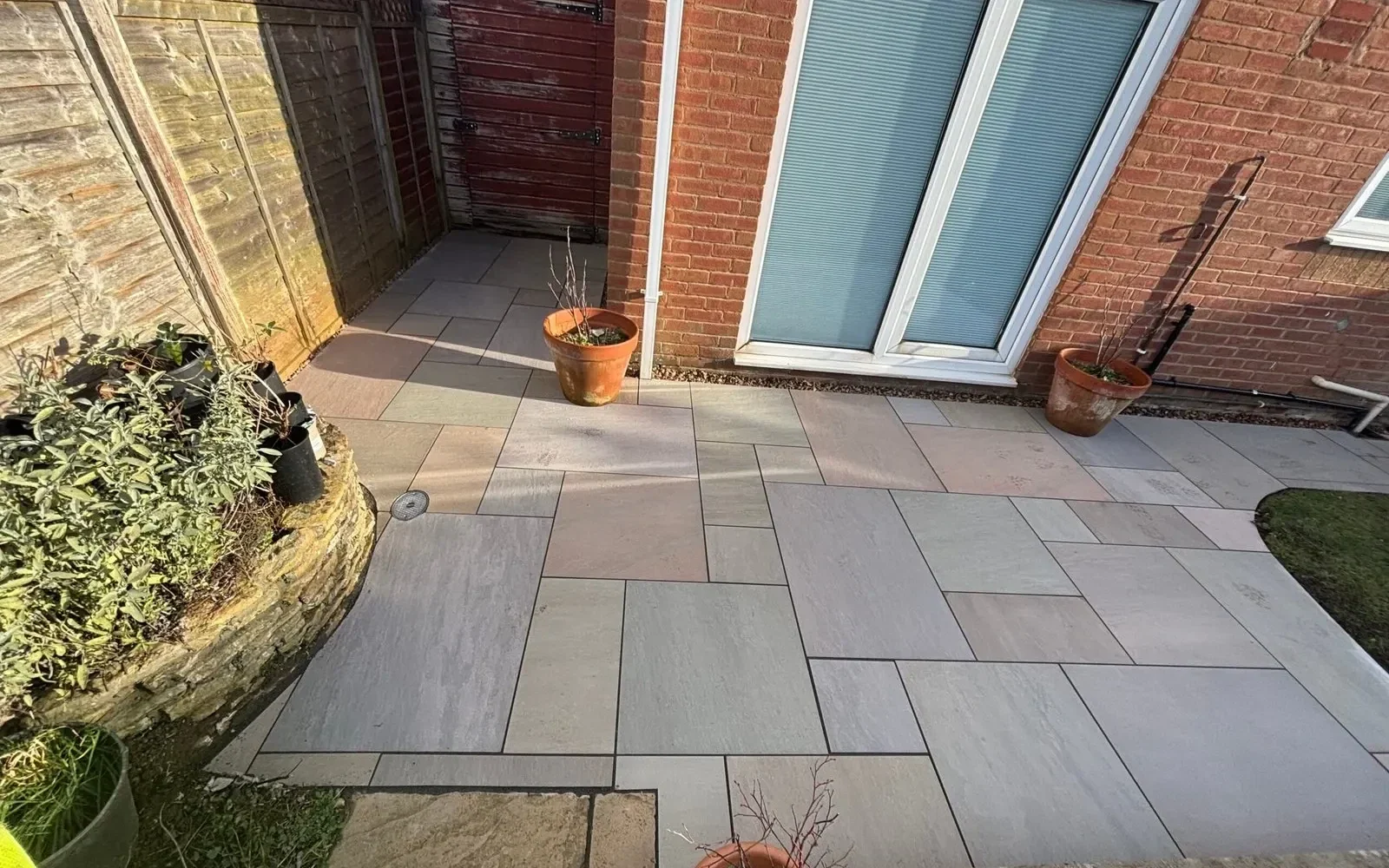
Laying patterns for a small courtyard patio: three approaches to compare
A small courtyard does not need a complicated paving pattern to feel designed.
Read more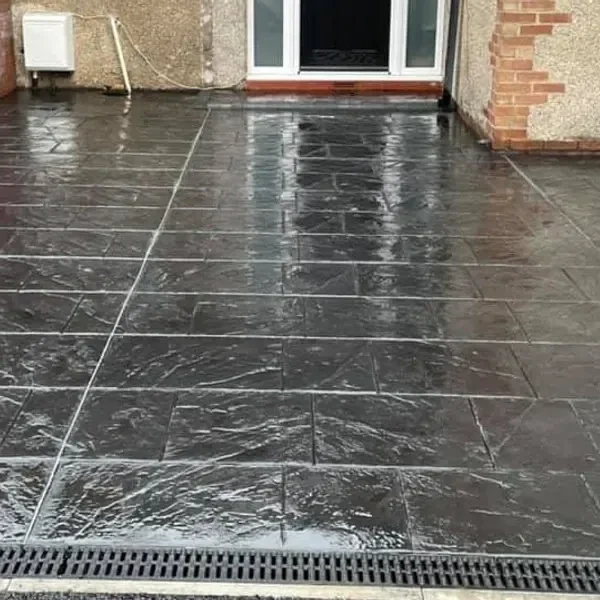
When can you walk or park on new imprinted concrete?
A new imprinted concrete driveway may look finished before it is ready for normal use.
Read more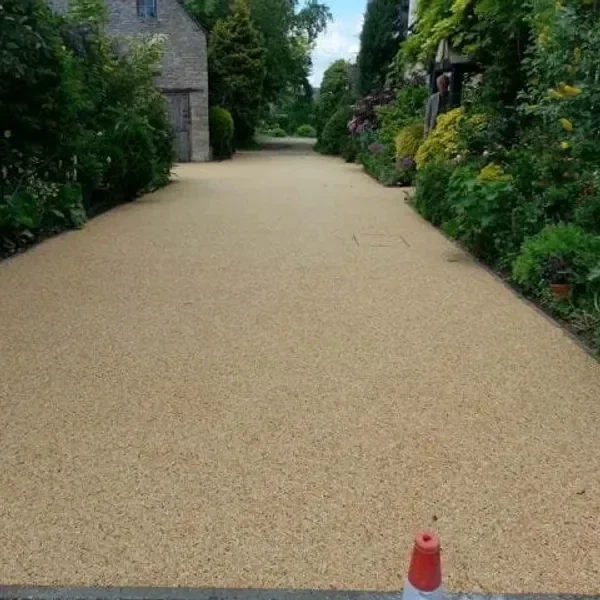
Can resin bound driveways still get weeds?
Resin bound surfacing has no conventional sand-filled block joints, but that does not make it permanently weed-free.
Read more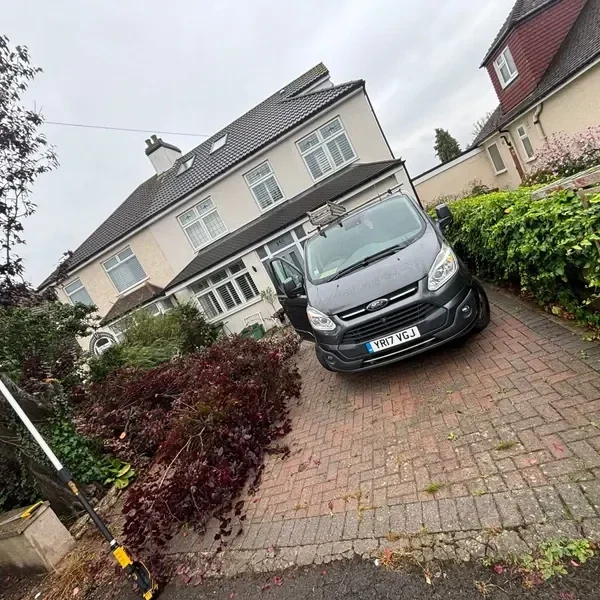
Can you replace a few damaged driveway blocks without relaying everything?
One advantage of block paving is that individual units can often be lifted.
Read more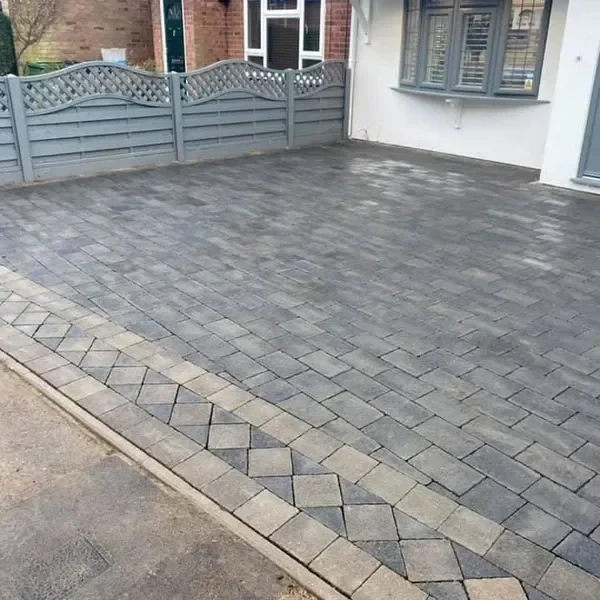
Driveway gates and paving: agree the finished levels together
A gate that worked above the old driveway may catch a new surface if the levels change.
Read more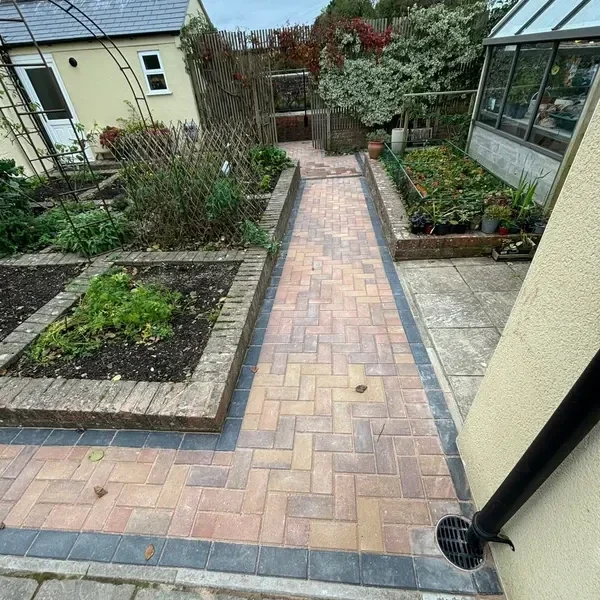
Keeping soil and garden debris off permeable paving
Permeable paving should be designed to manage rainwater, not used as a storage area for soil, sand or compost.
Read more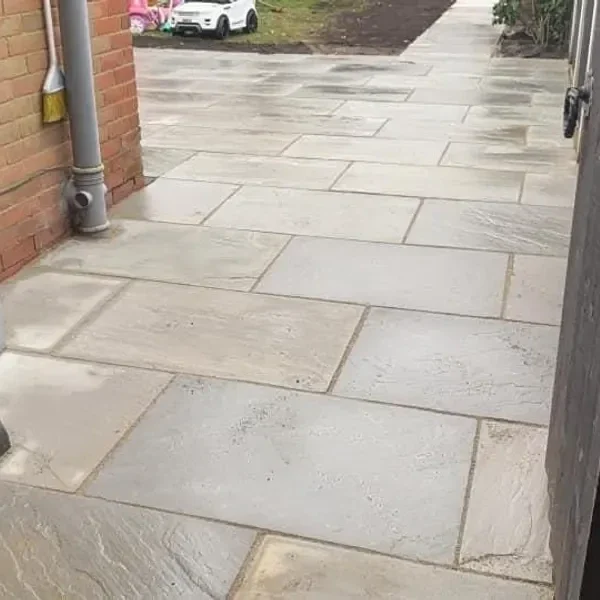
Patio steps: planning comfortable changes in level
Steps should be planned with the patio, not added wherever the final levels happen to leave a drop.
Read more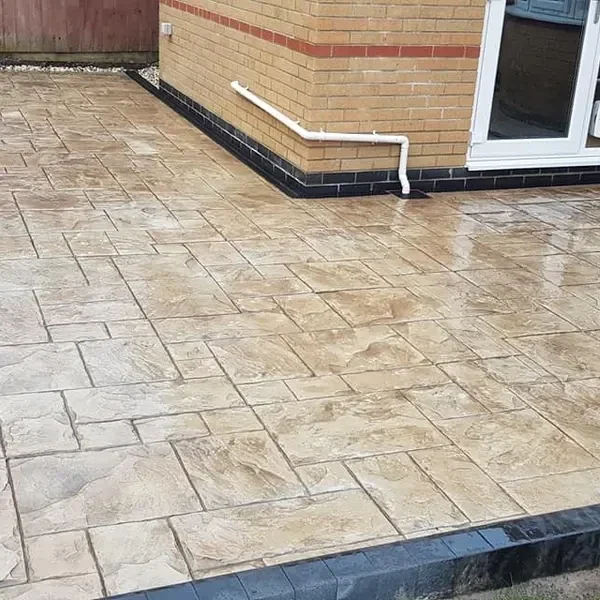
A stone-effect imprinted concrete patio is not laid stone: what to expect
Imprinted concrete can reproduce the impression of stone textures and joints, but it remains a concrete surface.
Read more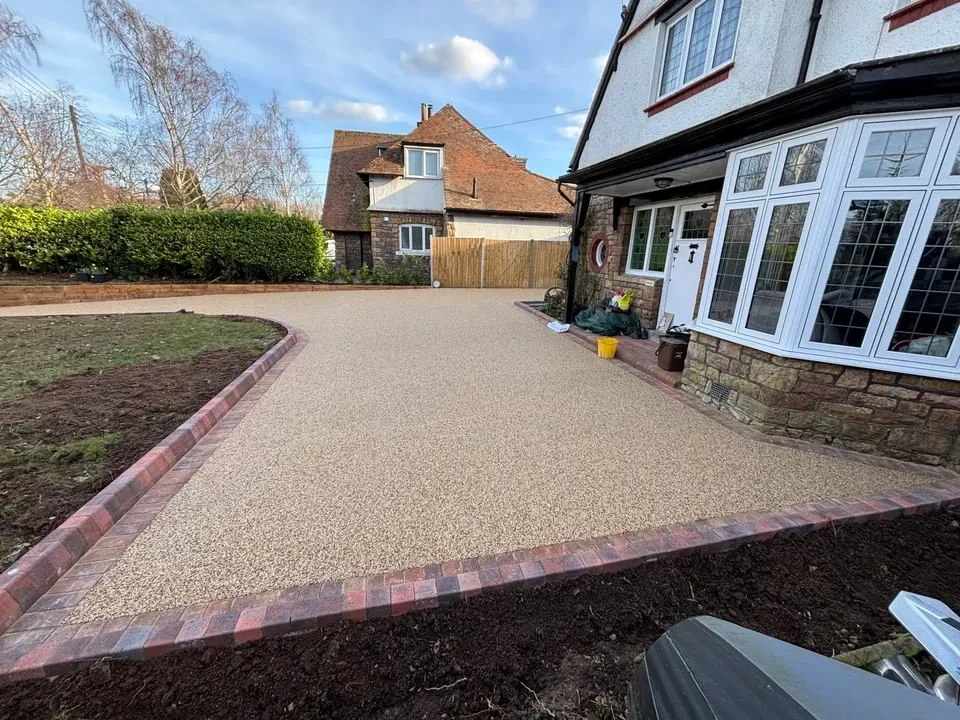
Cracks beneath a resin driveway: why the old base matters
A decorative resin bound layer does not make an unstable base stable.
Read more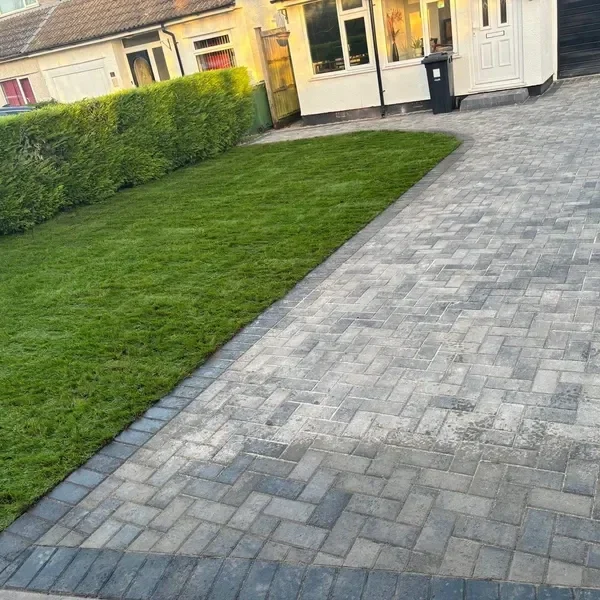
White patches on new block paving: is it fading or efflorescence?
White or pale patches on new concrete blocks can be alarming when the colour looked richer on the sample.
Read more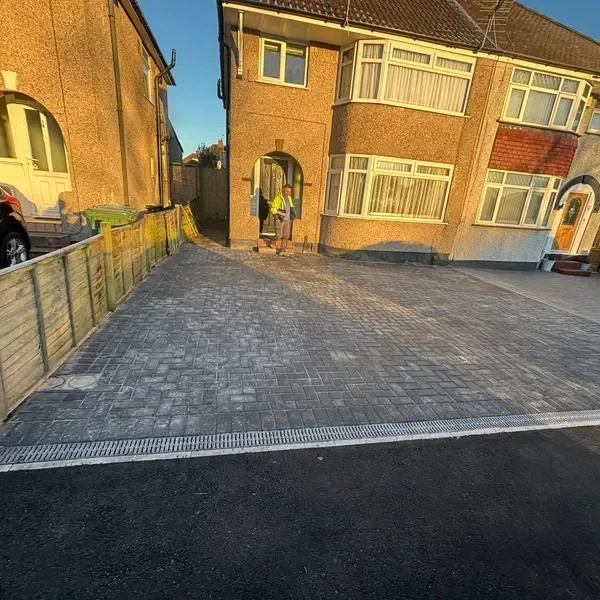
Planning a new driveway around an electric-vehicle charger
A driveway replacement is a useful time to coordinate the position and cable route for an electric-vehicle charger.
Read more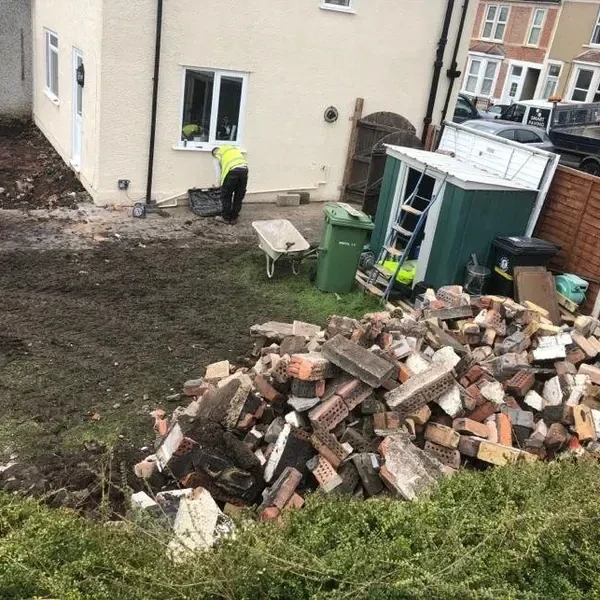
Autumn driveway care: leaves, channels and the route to your door
Autumn maintenance is mainly about keeping ordinary access and drainage features clear.
Read more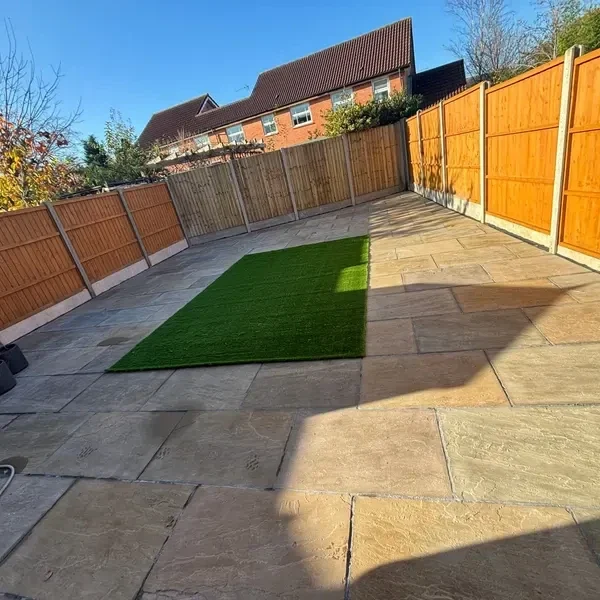
How much space does a patio dining area really need?
A dining patio needs more room than the outline of the table.
Read more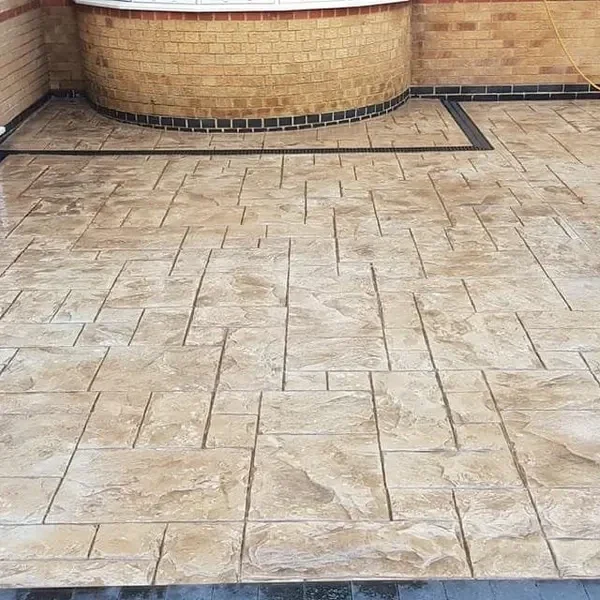
Imprinted concrete borders: framing the driveway without overcomplicating it
A contrasting border can frame an imprinted concrete driveway and connect it with steps or a path.
Read more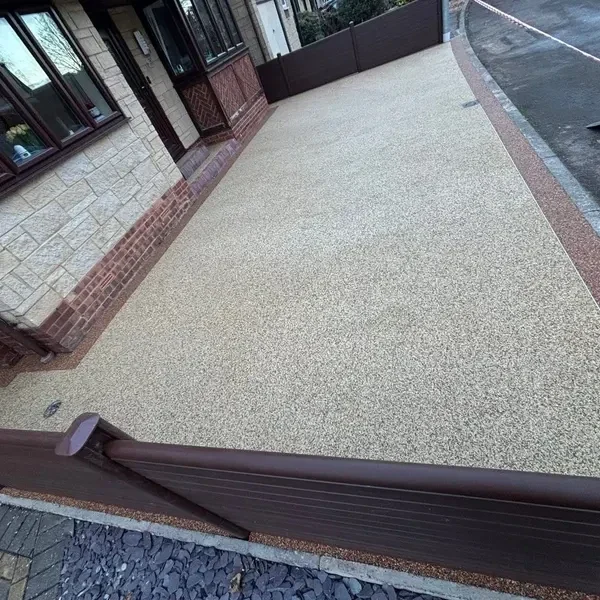
Resin bound driveway edges: why thin feathered finishes are a warning sign
A resin bound wearing course needs a considered termination wherever it meets another surface.
Read more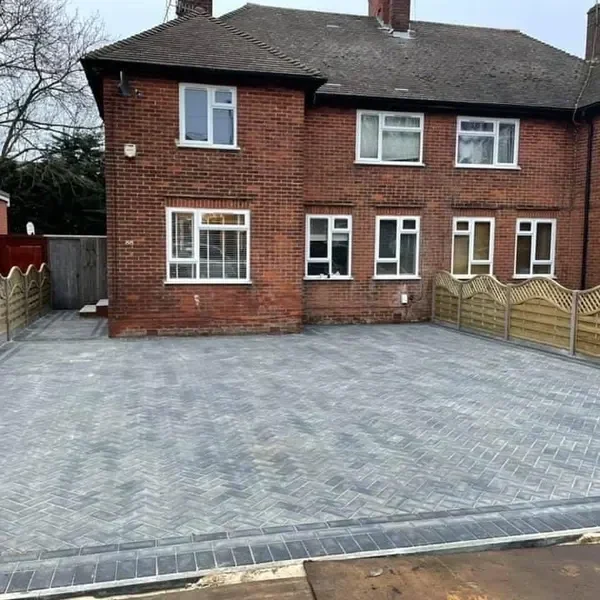
Re-sanding block paving: when it helps and when it does not
Jointing material is an important part of a block-paved surface.
Read more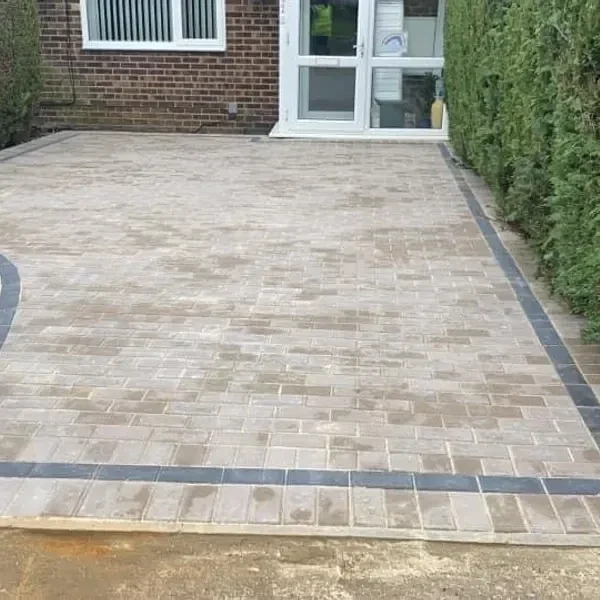
Planning a driveway installation around parking, deliveries and the school run
A driveway project affects more than the surface being replaced.
Read more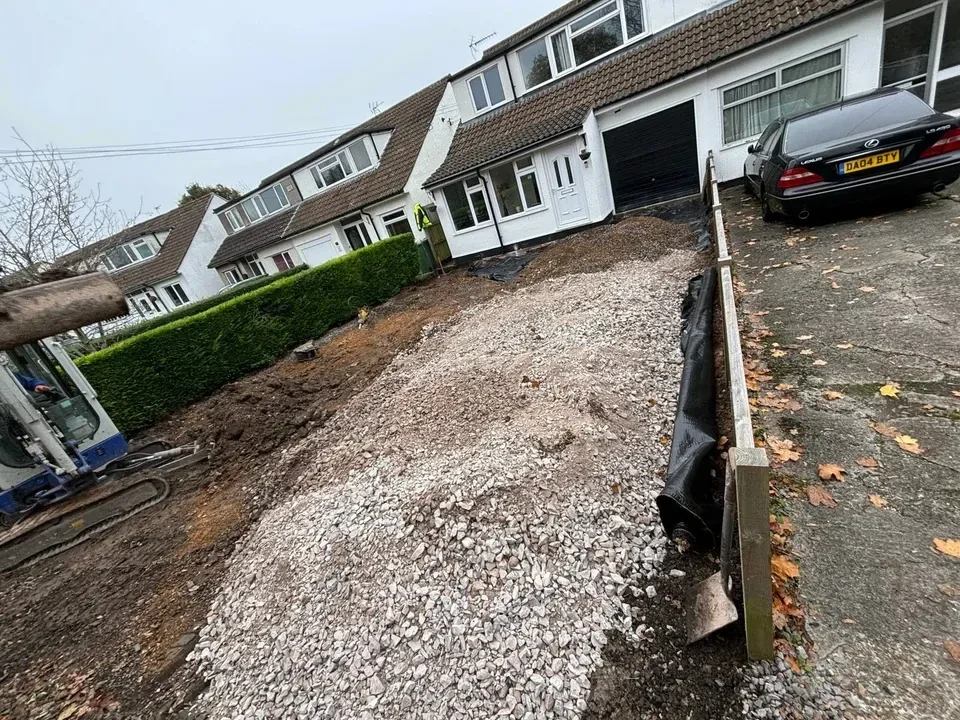
Can a rain garden work beside a driveway?
A rain garden can help bring planting and water management into the same frontage, but it is a designed feature rather than an ordinary flower bed…
Read more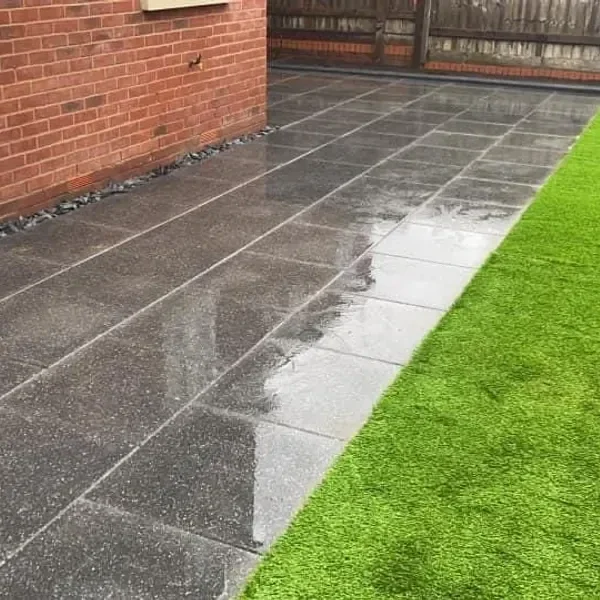
Designing a patio for shade: material, drainage and algae care
A shaded patio may remain damp longer and collect more leaves than an open sunny area.
Read more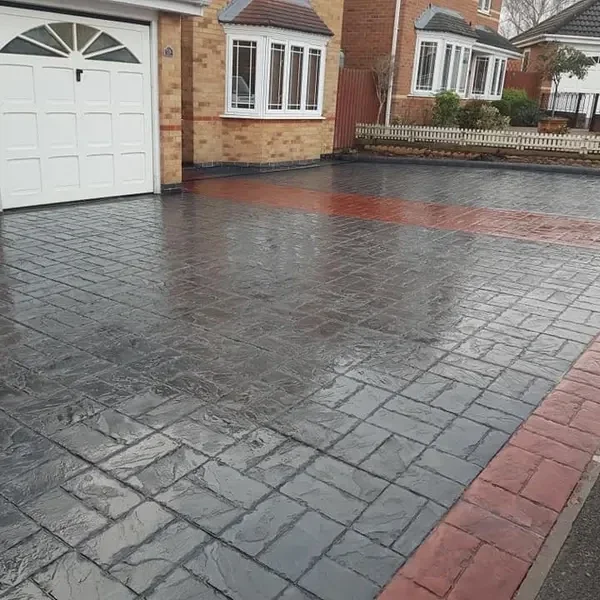
Glossy or restrained imprinted concrete: choosing a sealer finish
Sealer can influence both the protection and appearance of imprinted concrete.
Read more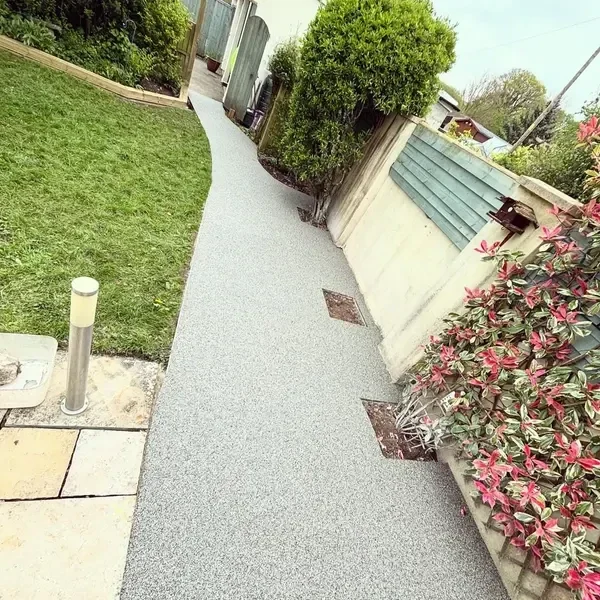
Is resin bound slippery when wet? Texture, slope and maintenance
A resin bound surface can provide a textured finish, but no outdoor paving should be described as slip-proof in every condition.
Read more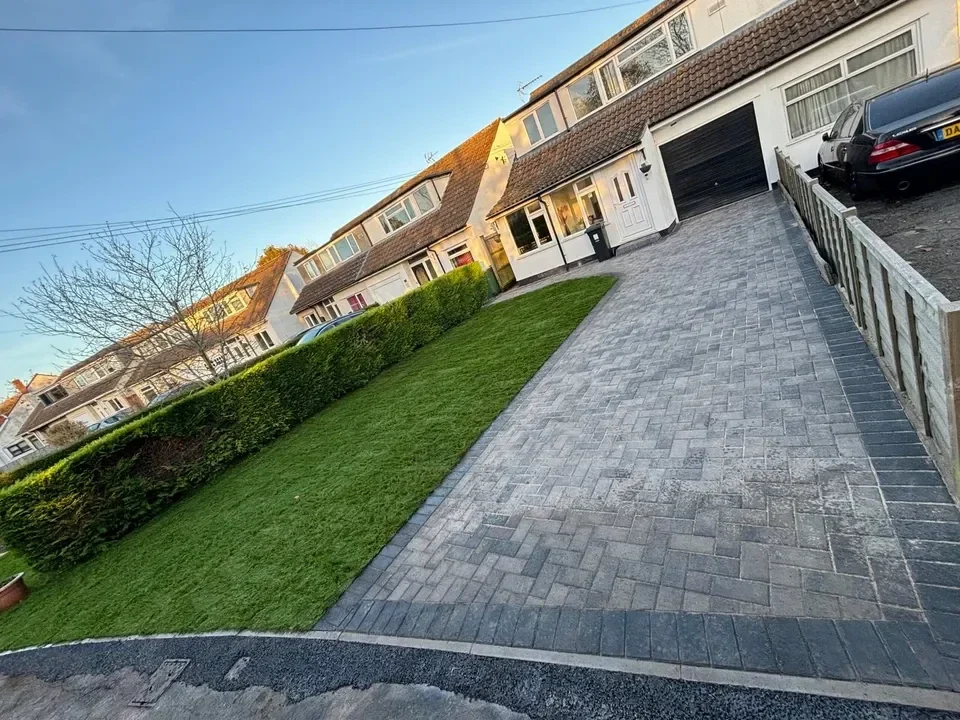
Driveway borders: single, double or contrasting block edging?
A border finishes the visible edge of a block driveway, but its purpose is not purely decorative.
Read more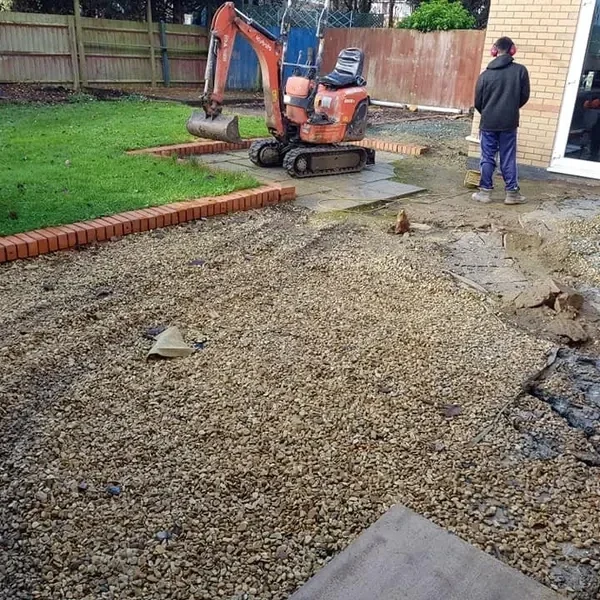
Tree roots near a new driveway: plan before cutting or excavating
A tree beside a driveway can influence levels, construction and future movement.
Read more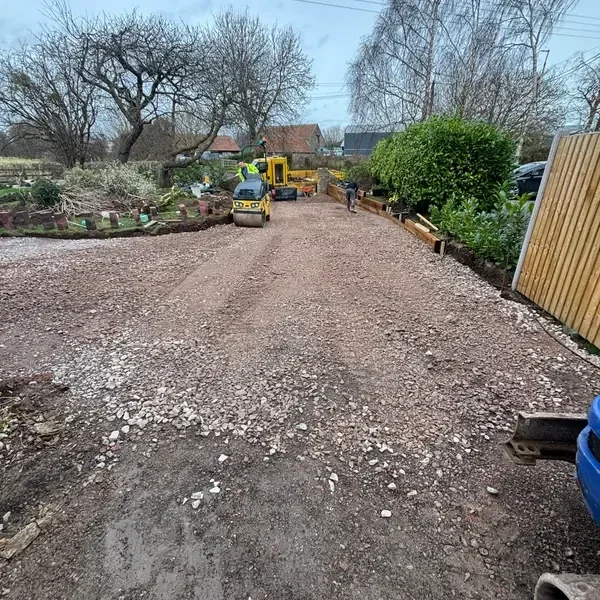
Sloping driveways: surface choice, water routes and everyday access
A sloping driveway needs more than a surface described as strong or slip resistant.
Read more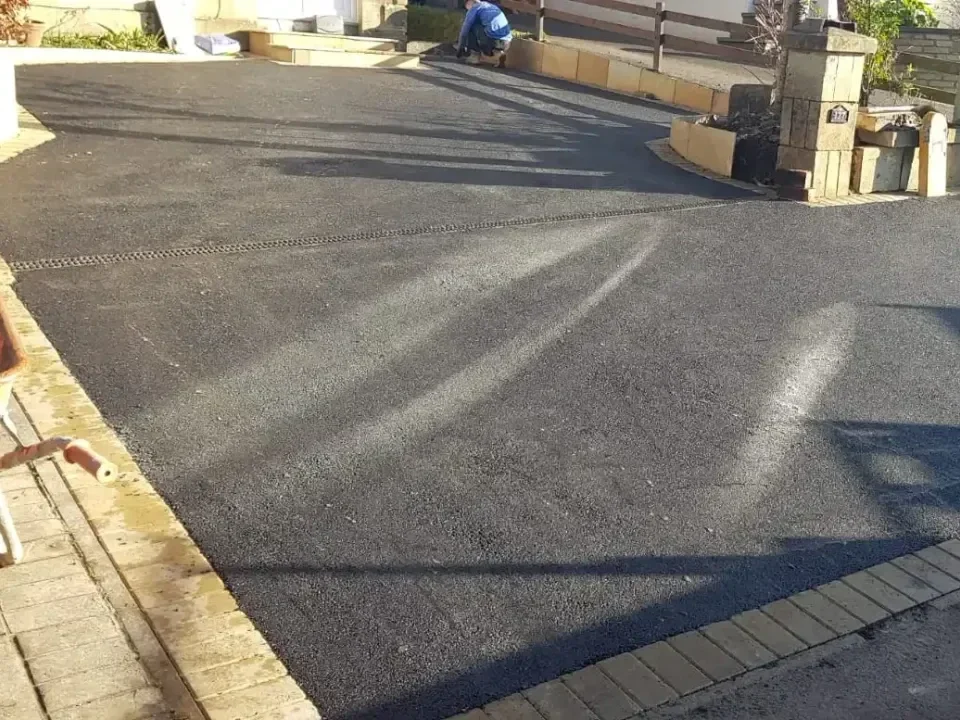
Porous asphalt and ordinary tarmac: similar appearance, different drainage
Two dark driveway surfaces can look similar while managing rainwater differently.
Read more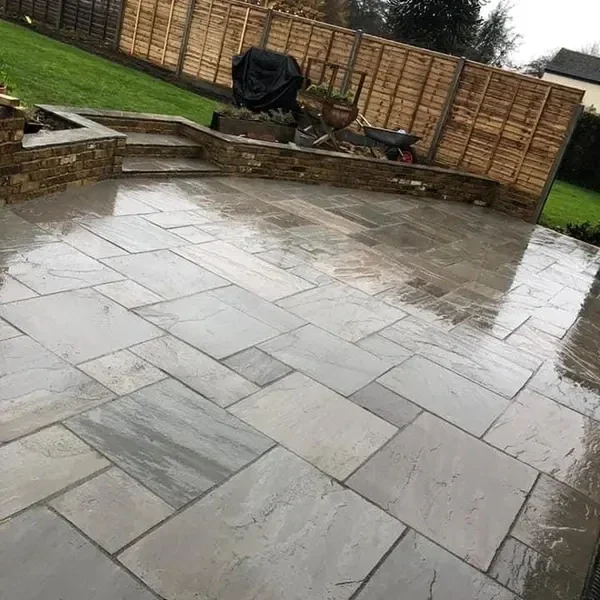
Large patio slabs or smaller units: choosing a useful scale
Large paving units can give a garden a calm appearance, but bigger is not automatically better.
Read more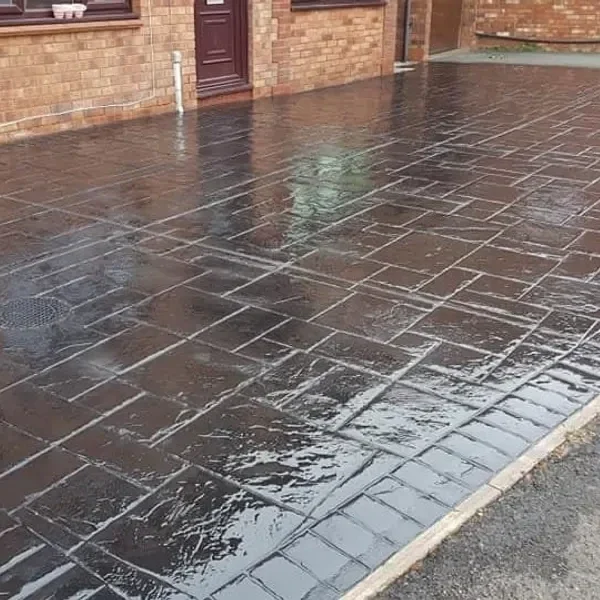
Cracks in imprinted concrete: what to record before arranging an inspection
A line in an imprinted concrete driveway may be a planned joint, a surface mark or an unintended crack.
Read more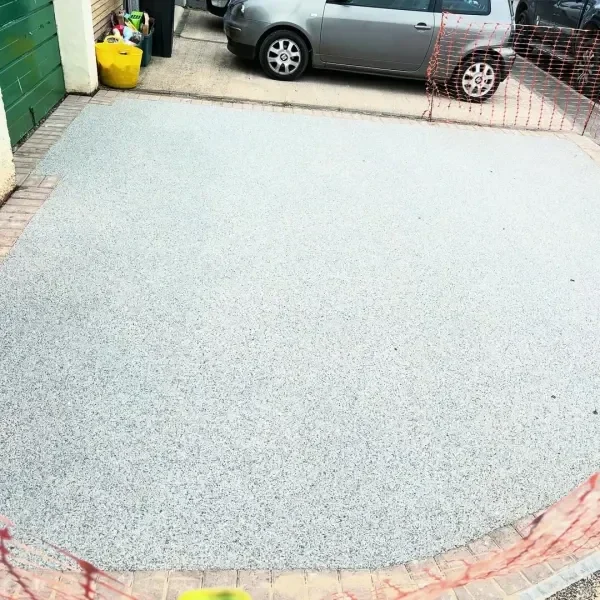
UV-stable resin: what it changes and what it does not
UV stability describes a resin binder's resistance to colour change under sunlight.
Read more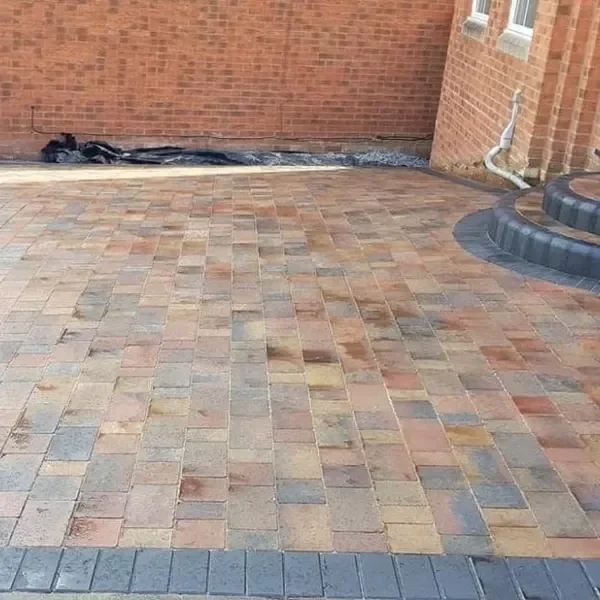
Tumbled or straight-edged block paving for a Bristol home?
Tumbled blocks have deliberately softened edges, while straight-edged blocks give the joints a more regular outline.
Read more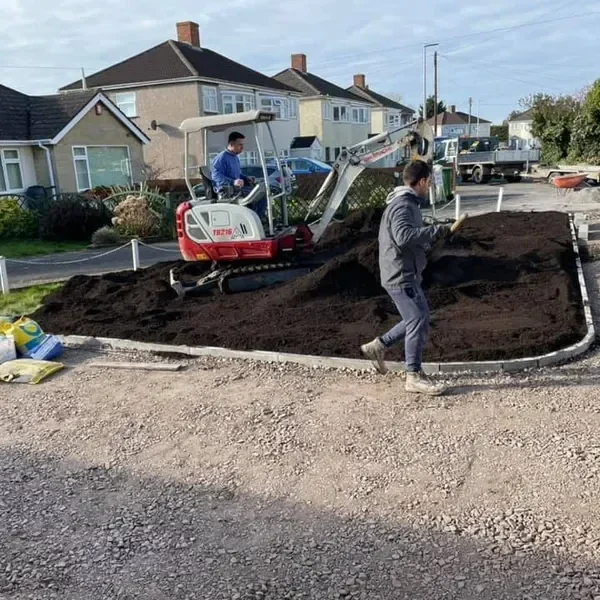
Paving near a conservation-area or listed Bristol home: what to check
An attractive period frontage deserves a paving design that respects its building and setting.
Read more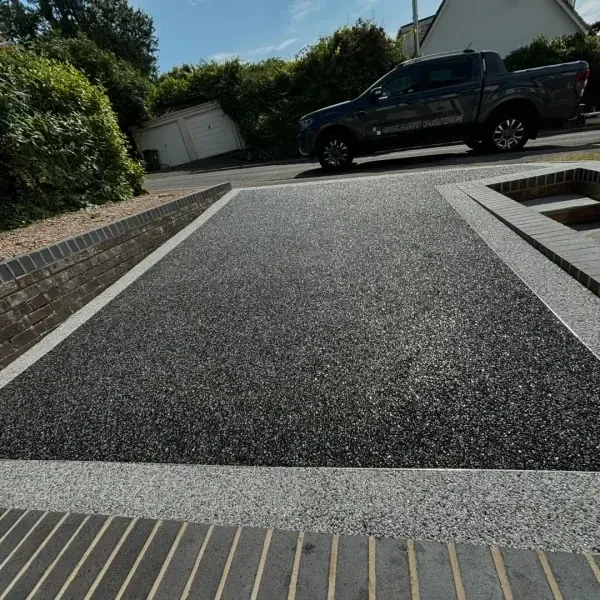
Driveway channel drains: the outlet matters as much as the grille
A channel drain collects water along a line, often near a garage or driveway entrance.
Read more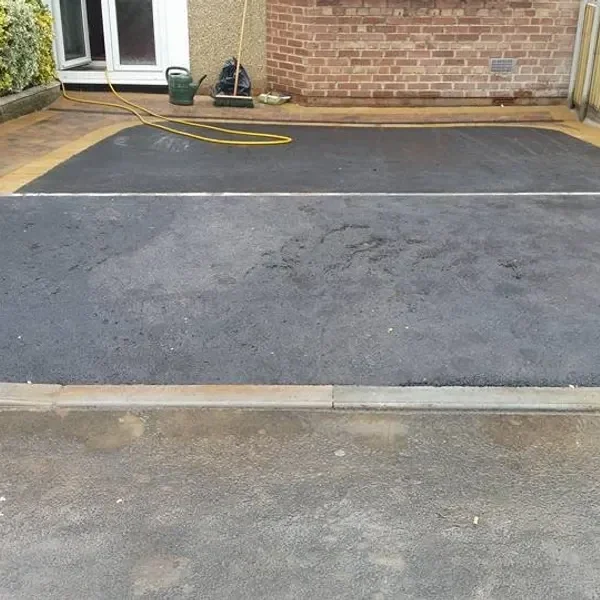
Tarmac with block edging: a simple driveway combination to detail carefully
A tarmac field with a block border can give a driveway a restrained appearance.
Read more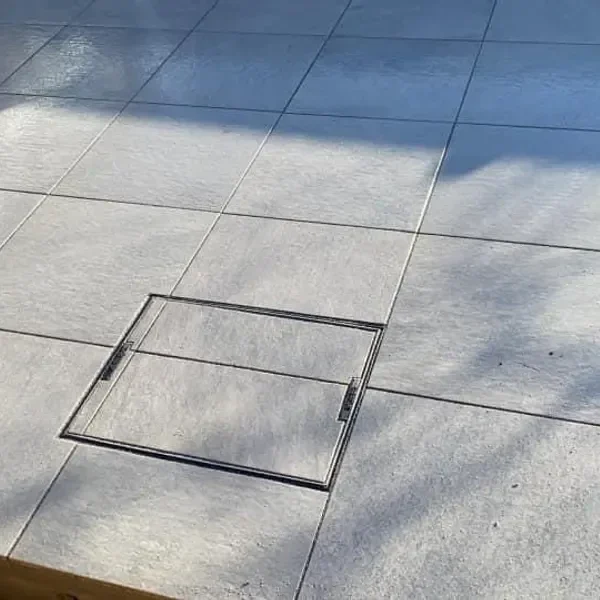
Why outdoor porcelain paving needs the right bedding and bonding
Outdoor porcelain paving is not simply a large tile placed on a few spots of mortar.
Read more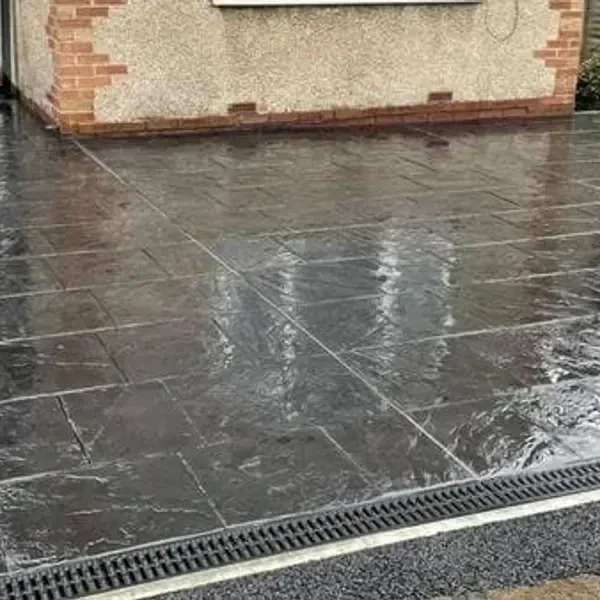
Why imprinted concrete needs control joints despite its printed pattern
The lines stamped into imprinted concrete create the decorative pattern.
Read more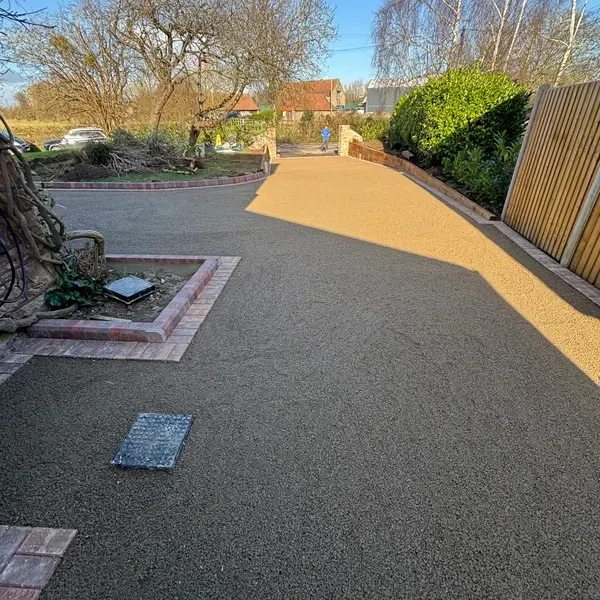
Can resin bound be laid over an existing tarmac driveway?
A sound tarmac surface may be suitable for a resin bound overlay, but an overlay should follow assessment rather than assumption.
Read more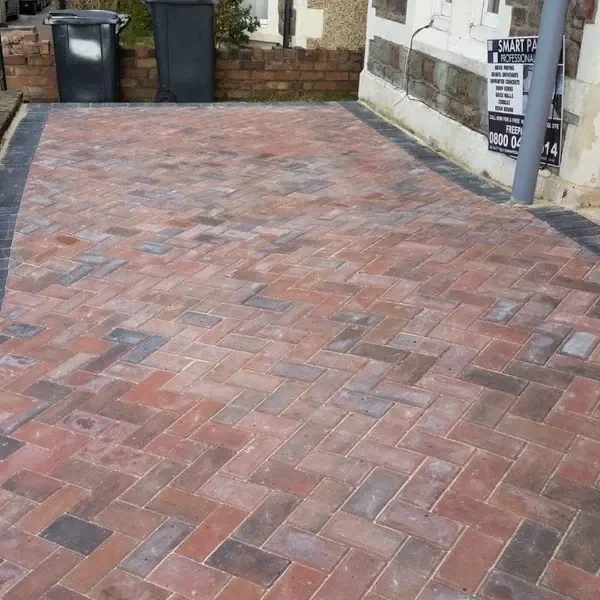
Charcoal, grey or brindle block paving: choosing a practical colour
A driveway colour needs to work with the house and with ordinary daily use.
Read more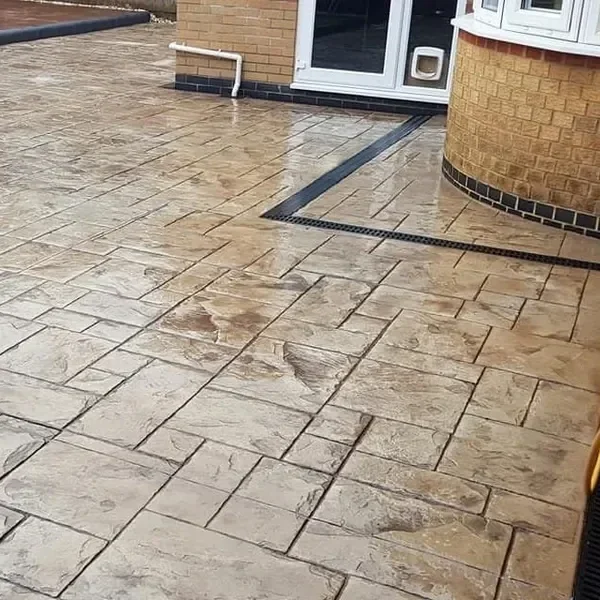
PICS imprinted concrete colours: why the base and antiquing are different
An imprinted concrete colour is not always the result of a single product.
Read more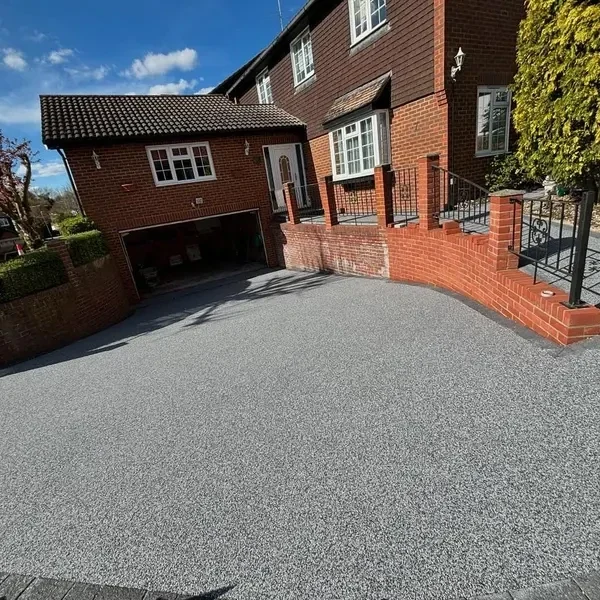
Choosing a resin bound colour beside red brick or pale render
A resin bound colour is a blend of small stones, not a single painted shade.
Read more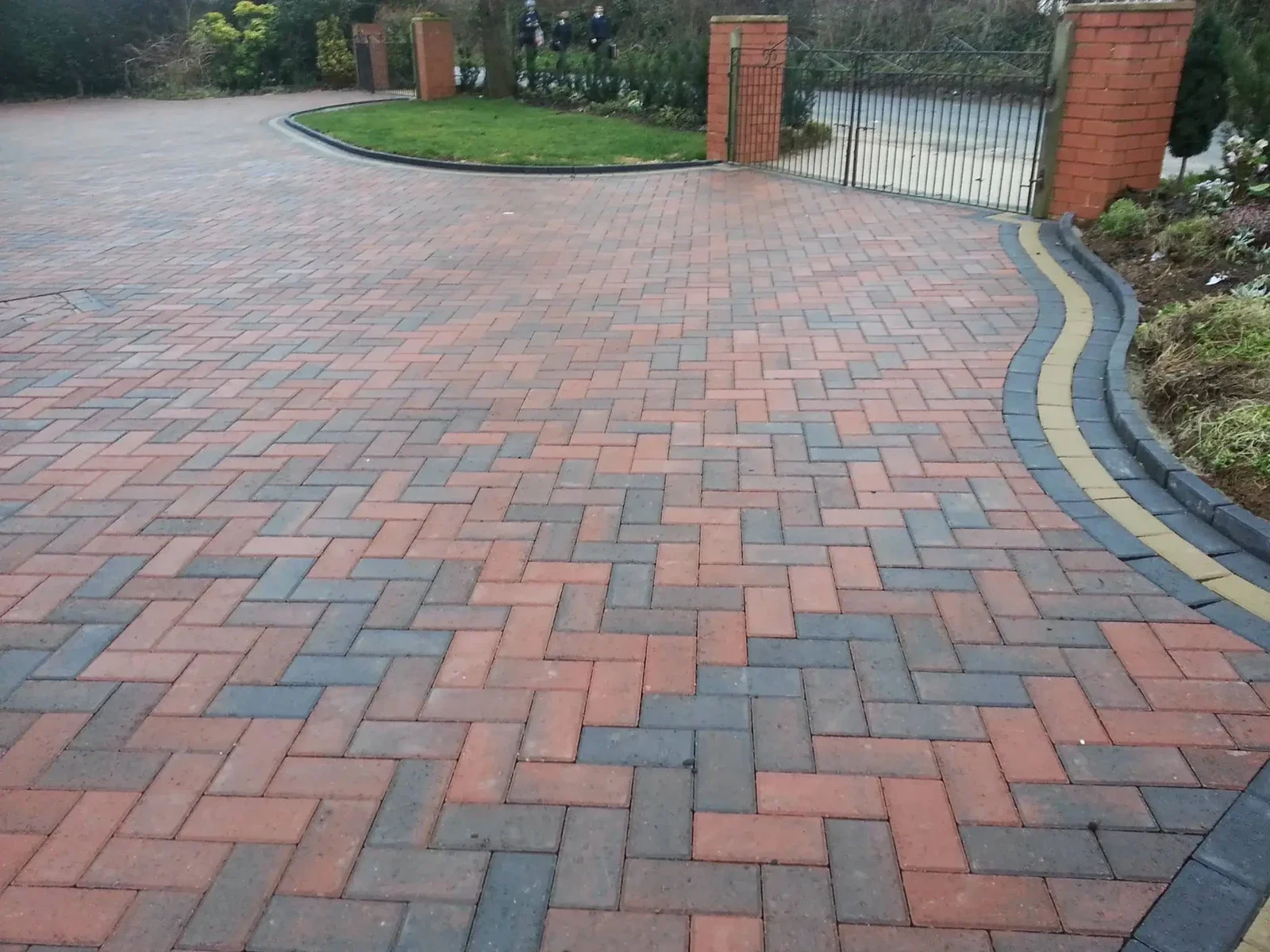
Your new driveway handover checklist: records, access and aftercare
A driveway handover should leave you knowing what has been installed and how to use and maintain it.
Read more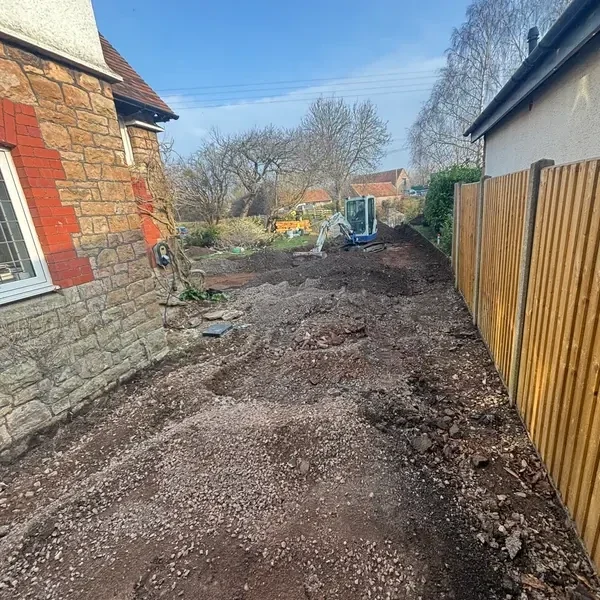
Puddles on a driveway: a simple observation checklist before repair
A recurring puddle can result from a local low point, blocked collection feature, restricted water route or another construction issue.
Read more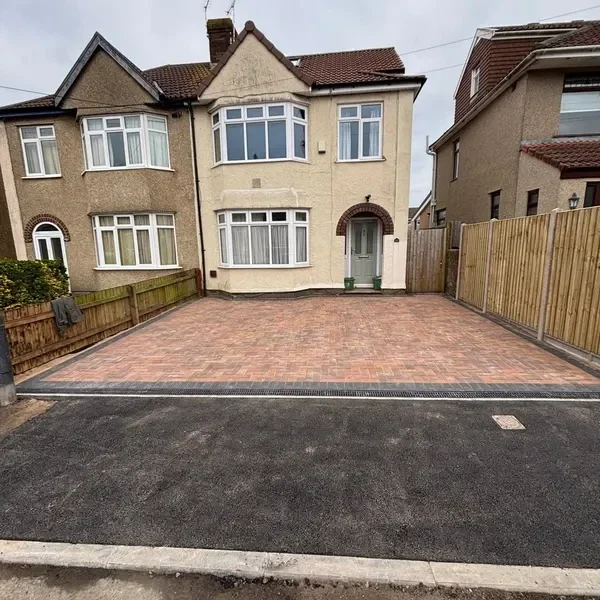
Block paving for heavier family cars: what should change in the specification?
A driveway is a construction system, not just a choice of block thickness.
Read more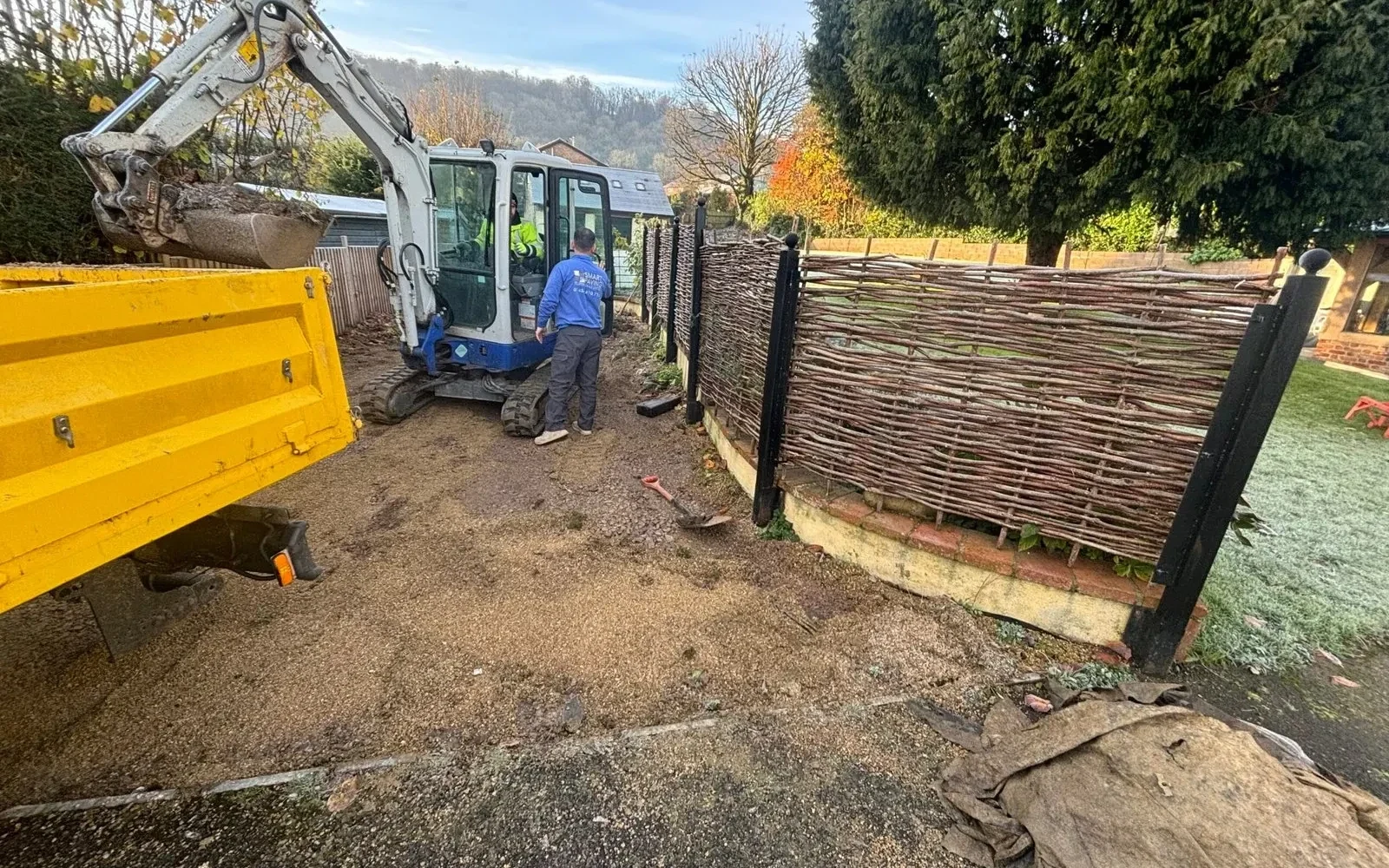
A front garden with parking and planting: start with the space you actually use
A front garden does not have to become an uninterrupted parking surface to accommodate a car.
Read more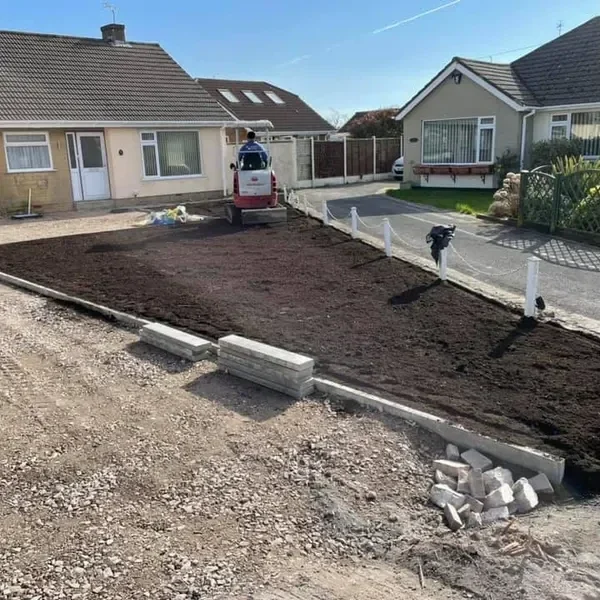
Can permeable paving work on clay soil?
Clay soil does not automatically rule out permeable paving, but it can change how the system manages water.
Read more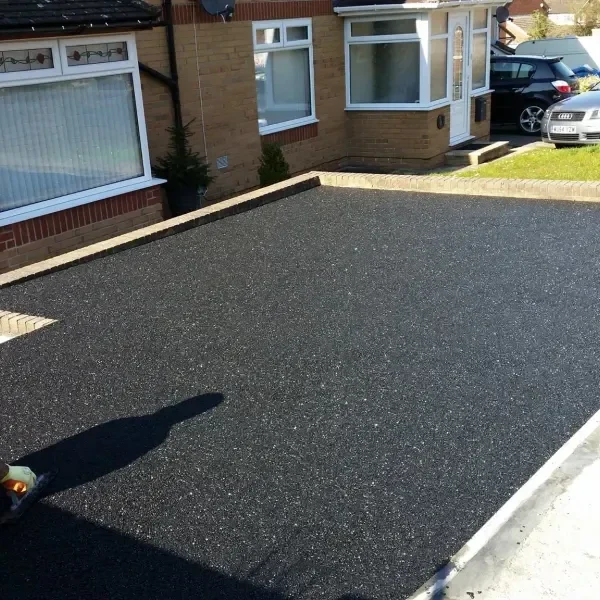
New tarmac driveway care: steering, spills and the first uses
A new tarmac or asphalt driveway needs care appropriate to its product and conditions.
Read more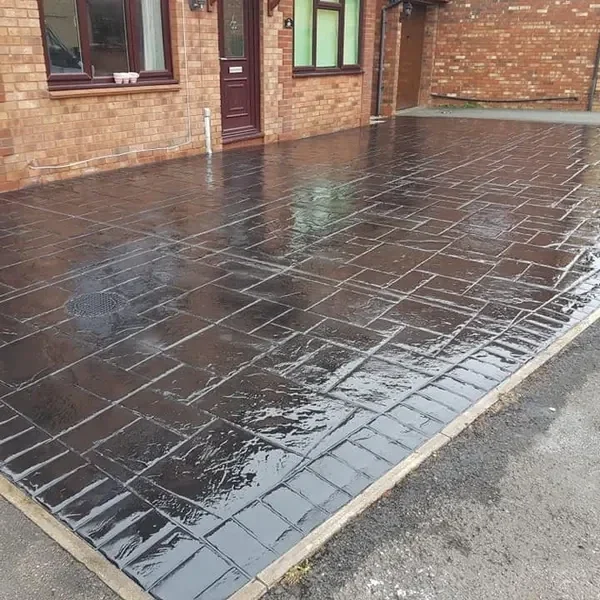
When should an imprinted concrete driveway be resealed?
Resealing is part of the care discussion for many imprinted concrete surfaces.
Read more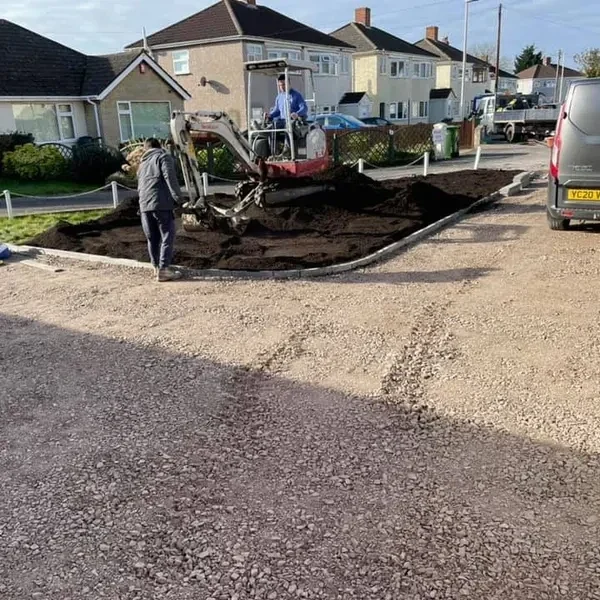
Driveways in South Gloucestershire: keep the dropped-kerb process separate
A Bristol postal address does not always mean Bristol City Council is the highway authority.
Read more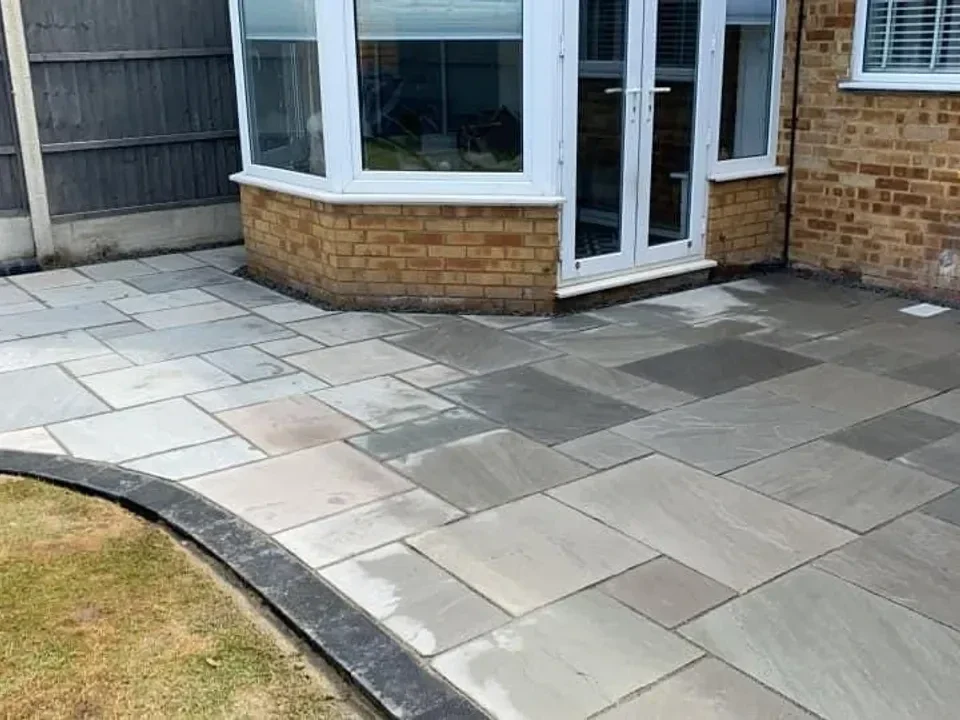
Patio drainage near bifold doors: why level appearance needs careful detailing
A patio that visually connects with a kitchen can look appealing, particularly beside broad glazed doors.
Read more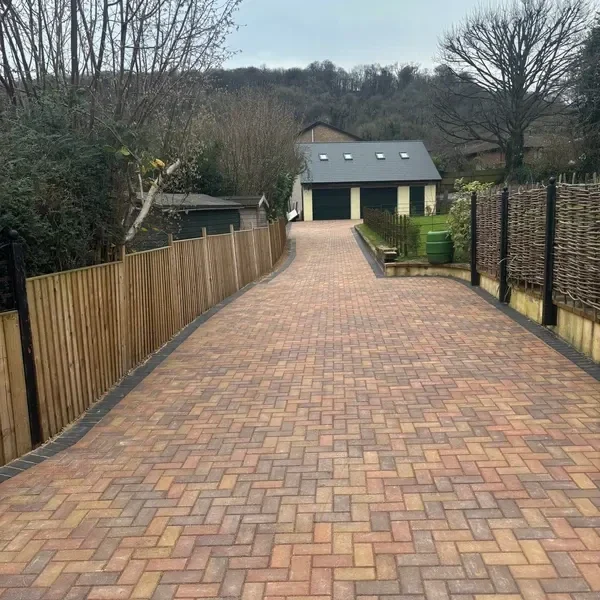
Why block paving sinks near the wheels, and what a repair should address
A shallow dip beneath a parked car is not usually solved by putting extra sand over the surface.
Read more
How to clean resin bound surfacing without damaging it
Resin bound surfacing still benefits from routine care.
Read more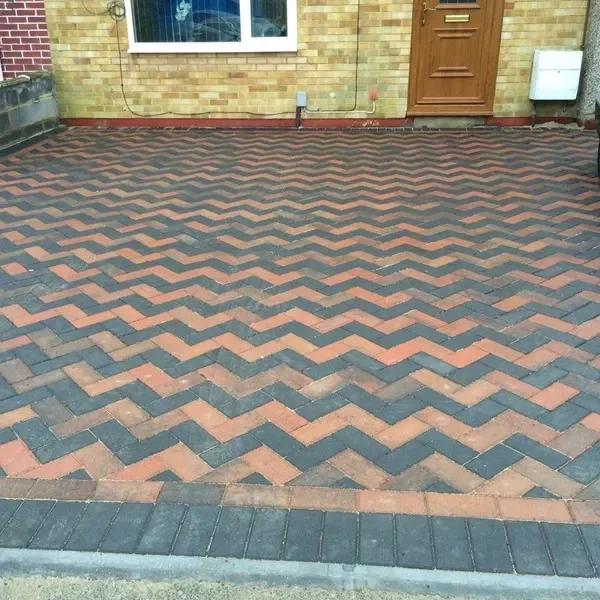
What to prepare before a driveway or patio site visit
A useful site visit starts with a clear account of how the space works now and what you want to change.
Read more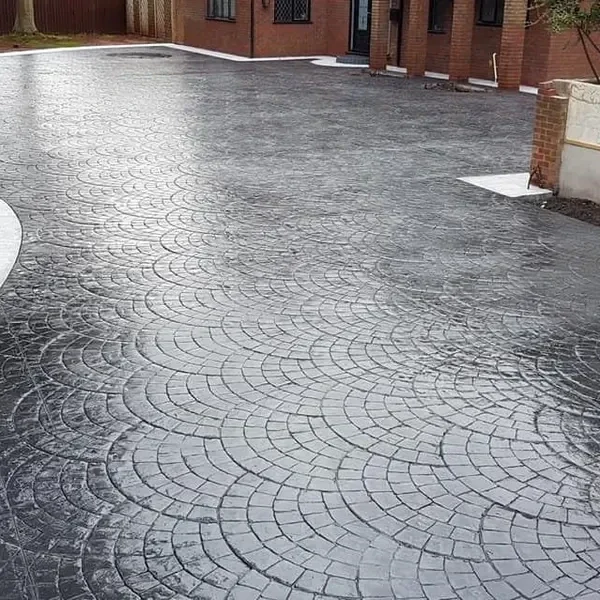
Ashlar or cobble-effect imprinted concrete: choosing the right scale
Ashlar and cobble-effect patterns create very different impressions on an imprinted concrete driveway.
Read more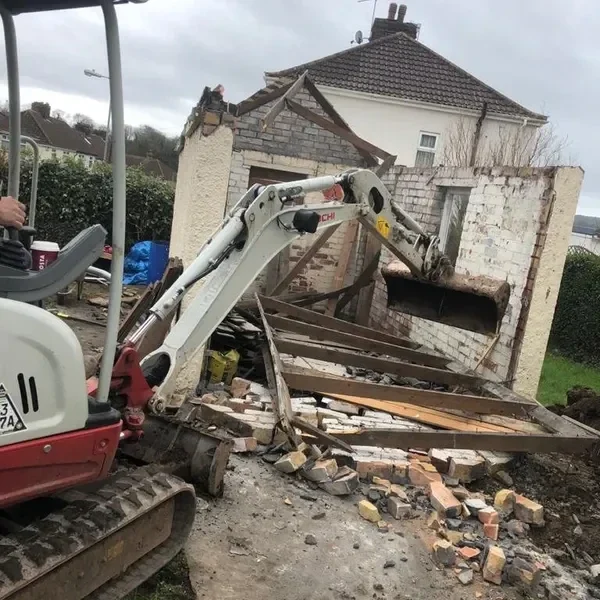
What the driveway sub-base does, and why depth is site-specific
The sub-base supports the surface and helps distribute loading into the ground.
Read more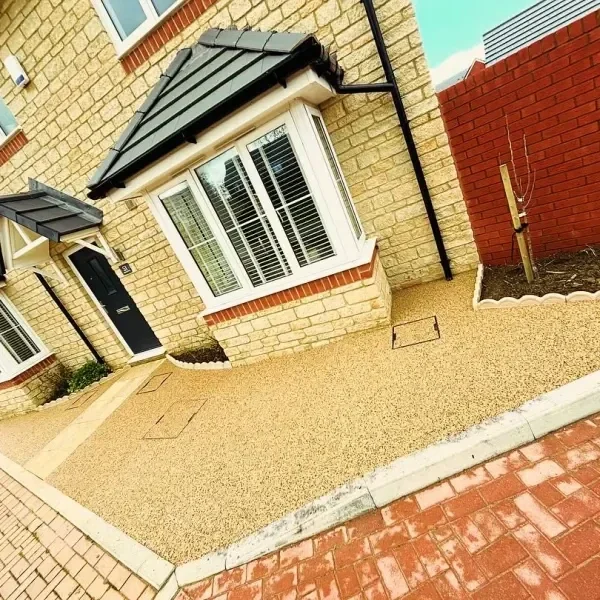
Resin bound and resin bonded: two different surfaces explained
Resin bound and resin bonded sound similar, but they describe different ways of combining resin and stone.
Read more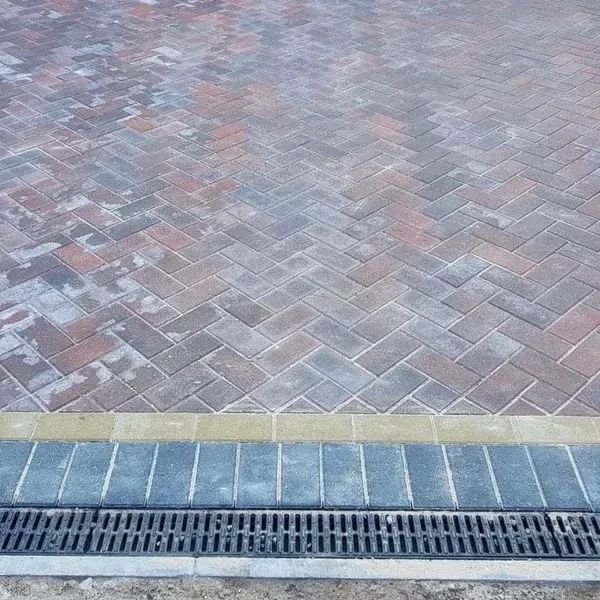
45° or 90° herringbone: which way should driveway blocks run?
Herringbone can run diagonally across a driveway or square to its boundary.
Read more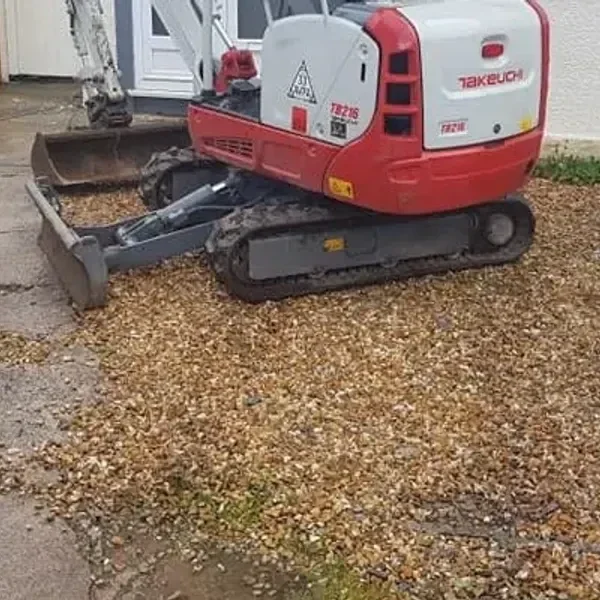
A dropped kerb in Bristol: checks to make before paving the frontage
A paved front garden does not by itself give you an approved vehicle crossing over the pavement.
Read more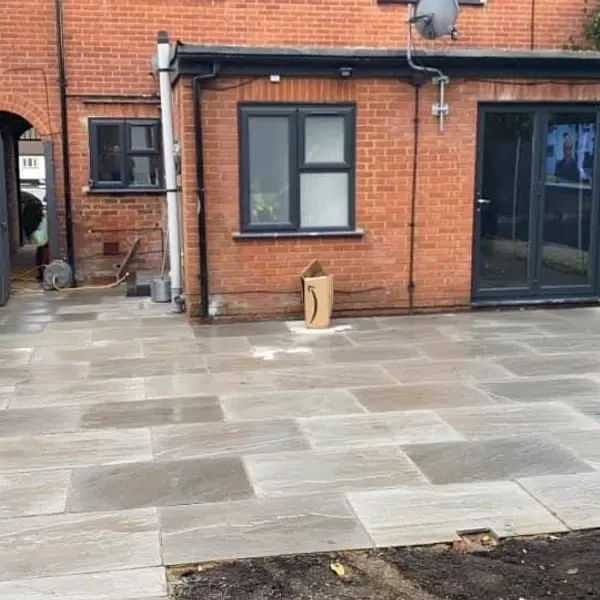
Porcelain or sandstone for a Bristol patio? Compare everyday use
Porcelain and sandstone offer different kinds of patio character.
Read more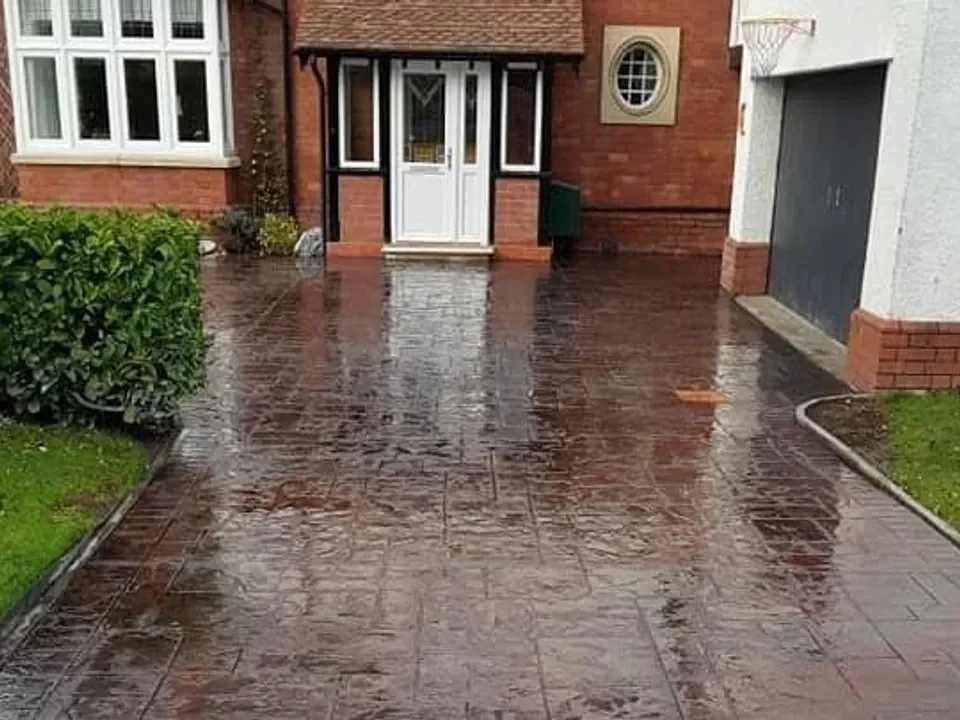
Is imprinted concrete permeable? Planning drainage around a sealed surface
Conventional sealed imprinted concrete is not a permeable paving system.
Read more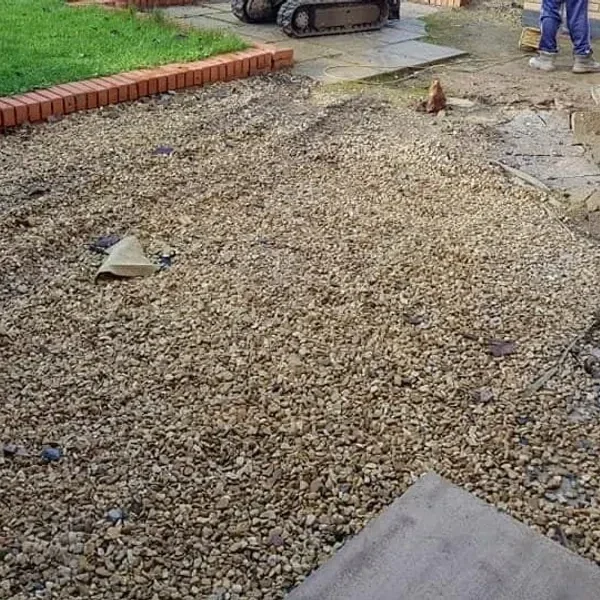
What base does a resin bound driveway need?
The aggregate blend is the visible part of a resin bound driveway, but the base determines much of its support and drainage.
Read more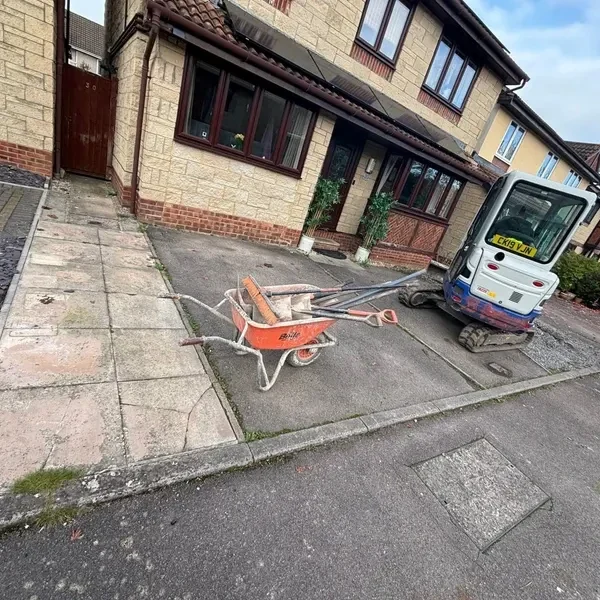
Replacing an existing driveway: why the front-garden planning rule still matters
Replacing an old driveway is not automatically exempt from the front-garden surfacing rules.
Read more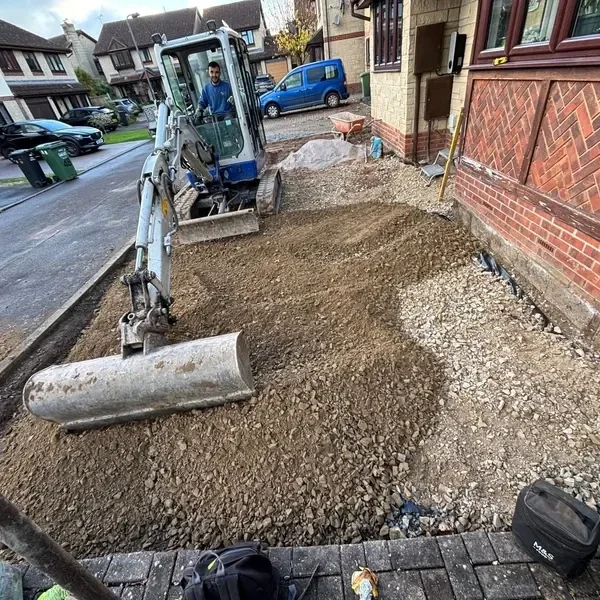
Standard and permeable block paving: the difference is below the surface too
Permeable block paving is not simply conventional paving with a few wider gaps.
Read more