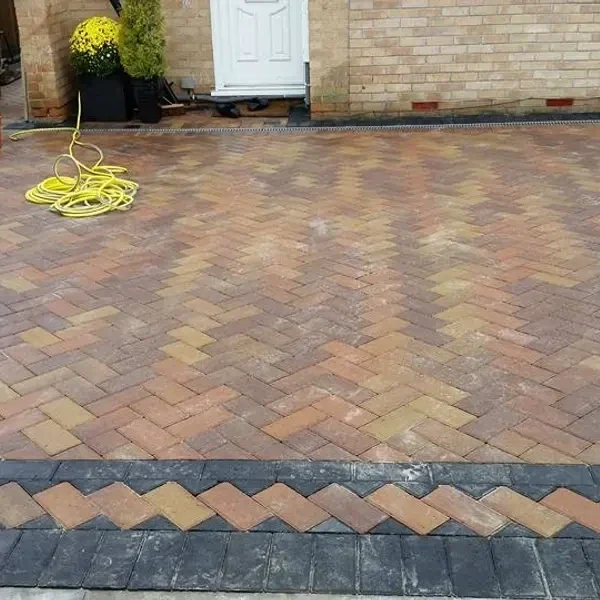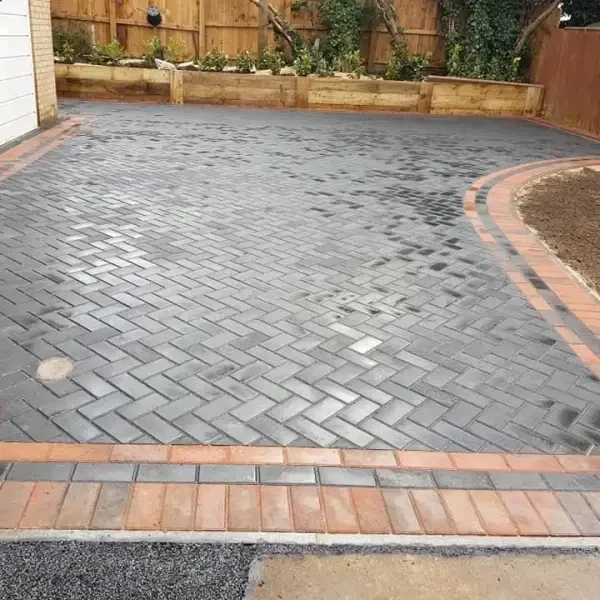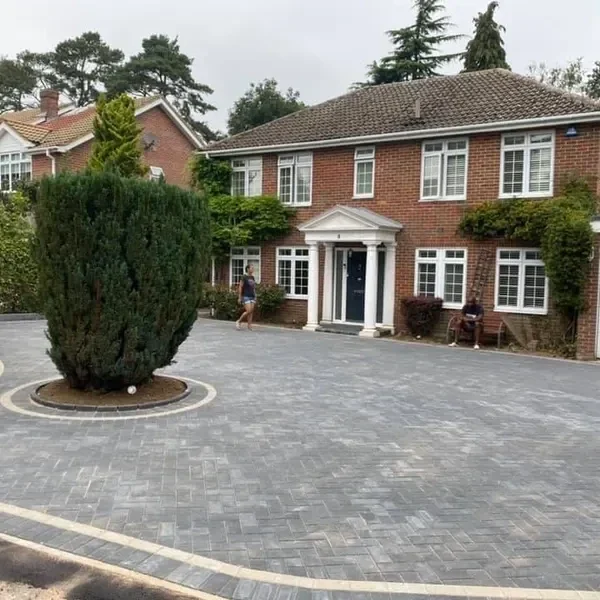
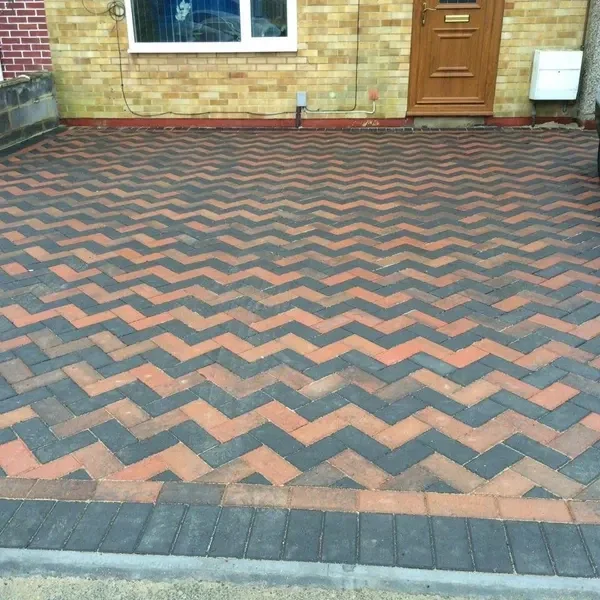
A useful site visit starts with a clear account of how the space works now and what you want to change. You do not need to arrive with a finished design. A few observations and photographs can help the discussion move beyond choosing a material from a gallery.
Bring the problems you want solved
Note recurring puddles, difficult parking, rocking paving, awkward steps or a narrow route to the door. Photograph water problems when they happen, because they may be invisible during a dry visit. Explain which issue matters most to your household.
Include everyday use: vehicles, bins, bikes, pets and any accessibility needs. A design that looks tidy but does not accommodate those movements has missed part of the brief.
Gather useful records
If available, keep previous paving details, drainage information, known service routes and relevant permissions together. Point out covers, meters and stop taps on site. Do not excavate or open unfamiliar assets to obtain information yourself.
Bring a small selection of reference images and explain what you like about each. It may be the colour, border or overall simplicity rather than the exact material. A reference is a starting point, not proof that the same construction suits your property.
Leave with clear next steps
Ask what needs further assessment before the design can be settled. Ground conditions, drainage routes, access permissions and product samples may require follow-up. Keep responsibilities clear where another professional or the council needs to be involved.
Request an understandable description of the proposed work and keep a note of decisions still outstanding. A site visit is most useful when it turns a vague wish for a new surface into a defined set of requirements.
A short preparation list: Main problem, preferred appearance, actual users and vehicles, rainfall photographs, known services and any relevant property restrictions. Those details help the installer assess the space rather than guess what you need from its appearance alone.
Discuss your project
Preparing a driveway or patio project around Bristol or South Gloucestershire? Bring your practical requirements and site questions to Smart Paving. Arrange a site visit.
Explore our planning and project advice service.
Related reading
- Planning a driveway installation around parking, deliveries and the school run
- What the driveway sub-base does—and why depth is site-specific
- Replacing an existing driveway: why the front-garden planning rule still matters