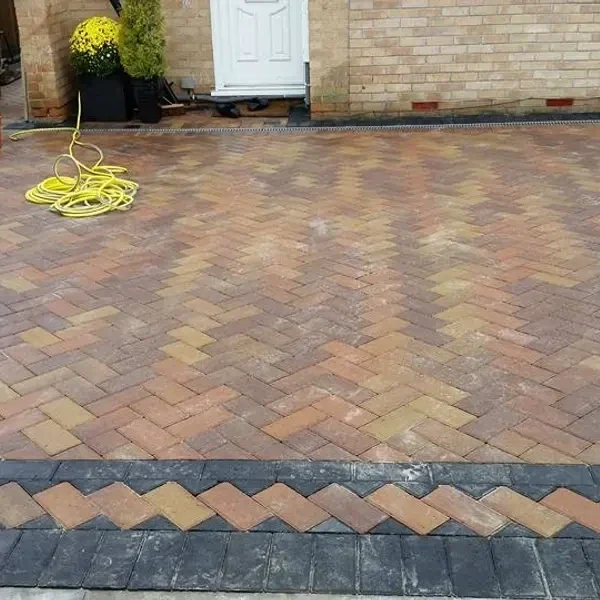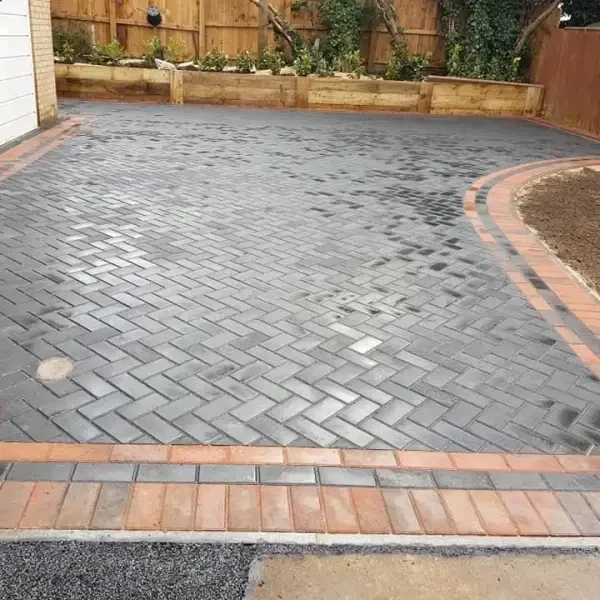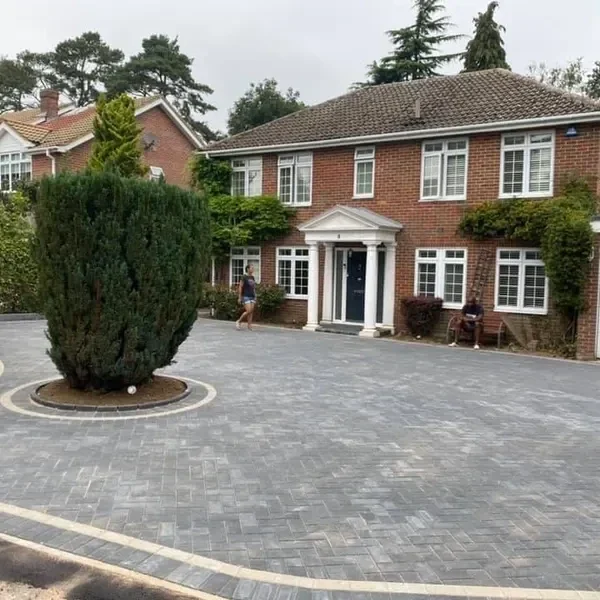
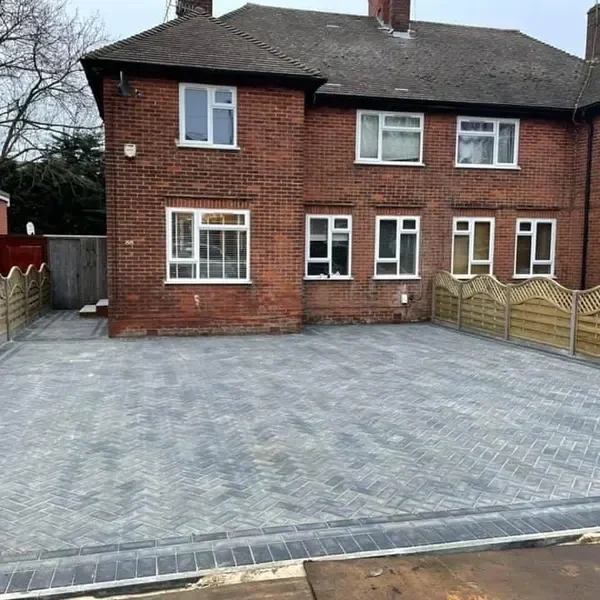
Jointing material is an important part of a block-paved surface. On conventional sand-jointed paving, depleted joints may need replenishing after cleaning or wear. Re-sanding is useful maintenance, but it is not a cure for a failed base, spreading border or persistent drainage problem.
Identify the paving system first
Conventional block paving commonly uses a specified dry jointing sand. Permeable block paving normally needs a different, open-graded joint aggregate. Putting ordinary sand into permeable joints can interfere with the intended drainage performance.
If you are unsure which system you have, check the installation records or ask for an inspection. Joint width and appearance offer clues but are not a complete diagnosis. Do not buy a bag of material solely because its packaging mentions driveways.
Clean without emptying the joints unnecessarily
Remove loose debris and use a cleaning method suitable for the particular blocks. Aggressive pressure washing can strip jointing material and damage the surface. Replacing lost material afterwards does not undo erosion of the block face.
For conventional dry-sand jointing, the paving and joints need suitable dry conditions for the material to enter properly. Leaving piles on a damp surface can produce an uneven result. Follow the block and jointing-product instructions for application and any required consolidation.
Recognise when maintenance is insufficient
A wide joint that keeps opening beside a moving edge deserves investigation. So does a depressed wheel track or a block that rocks underfoot. Adding sand may temporarily hide the symptom while movement continues beneath it.
Walk the driveway after the maintenance has been completed. The joints should be appropriately filled, the surface swept clear and the edge stable. Keep the product details with your aftercare notes so that a future cleaner uses the same suitable approach.
Quick answer: Re-sand when the correct jointing material has been depleted. Arrange a repair assessment when the blocks themselves have lost support or the joints keep changing shape.
Discuss your project
Planning block paving in Bristol or South Gloucestershire? Smart Paving can assess the layout, ground and drainage before helping you choose a finish. Arrange a site visit.
Explore our block paving service. See the block paving patterns and finishes guide.
Related reading
- Pressure washing block paving without stripping the joints
- Where do weeds in block paving come from?
- Standard and permeable block paving: the difference is below the surface too